
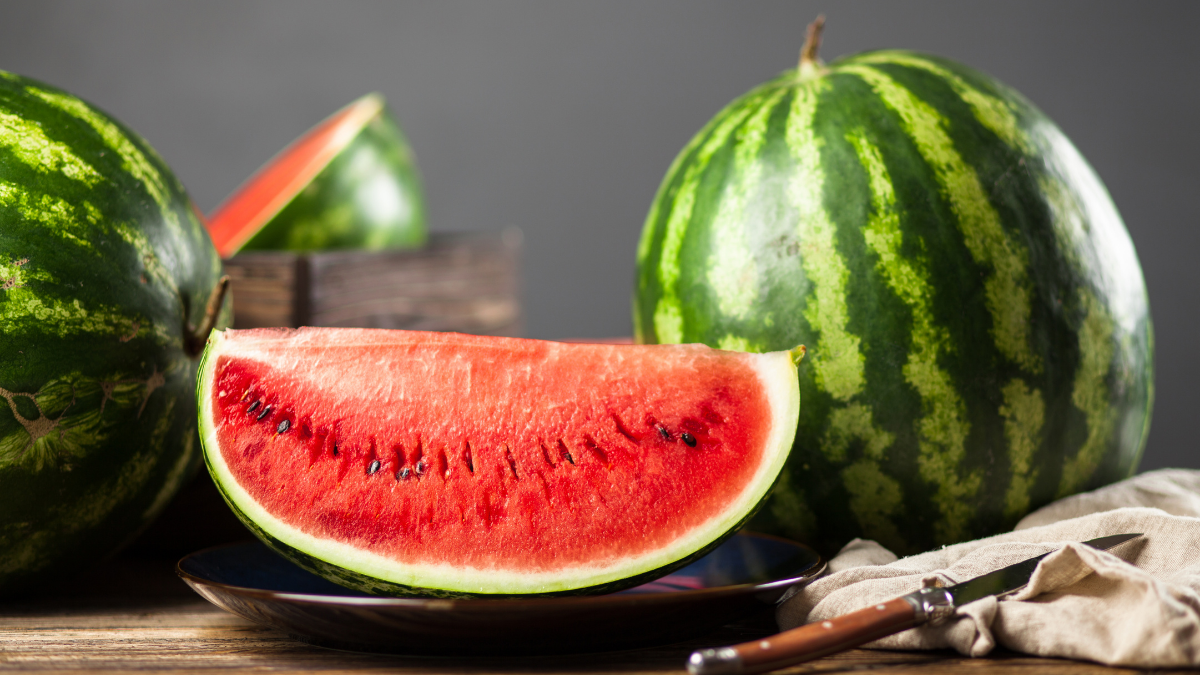
Most people underestimate this bright summer staple. You likely eat it at backyard barbecues to cool down, completely unaware of the cellular repair happening with every single bite. The true benefits of watermelon extend far beyond simple hydration, affecting everything from your resting heart rate to your skin’s elasticity.
Decades of nutritional research reveal a fruit loaded with targeted amino acids, specific antioxidants, and structural vitamins. We are going to look closely at what exactly this fruit does inside your body. By the time you finish reading, you will understand the benefits of watermelon clearly enough to make it a deliberate part of your weekly routine.
Quick Benefits Snapshot
- 92% water content — delivering superior hydration compared to plain water.
- 170mg of potassium per cup — actively regulating your blood pressure.
- 21% of your daily Vitamin C — in just one standard serving.
- High levels of L-citrulline — an amino acid proven to reduce muscle fatigue.
- Zero fat and only 46 calories — making it incredibly nutrient-dense.
What Is Watermelon?
Watermelon is a sprawling vine-like flowering plant originally cultivated in northeast Africa. It belongs to the Cucurbitaceae family, meaning it is biologically related to cucumbers, pumpkins, and squash. While we treat it like a sweet fruit, it technically shares the botanical traits of a gourd.
The flesh is famous for its crisp, granular texture and sweet, refreshing profile. Most grocery stores carry the standard crimson sweet or seedless varieties, though over 1,200 different types exist globally. But taste is just the beginning. Here is what happens inside your body when you tap into the real benefits of watermelon on a regular basis.
1. Hydrates and Balances Electrolytes
Watermelon consists of 92% water and essential electrolytes that optimize cellular hydration.
This fruit acts like a natural sports drink, delivering water alongside potassium and magnesium to help your cells actually absorb the moisture. When you eat it, you replace fluids lost through sweat while maintaining the delicate mineral balance your nervous system requires to fire correctly.
People who eat water-rich foods often report feeling more alert and experiencing fewer afternoon headaches. Staying properly hydrated prevents the sluggishness that comes from mild dehydration, which most adults suffer from daily. Smoothly running systems mean higher energy levels across the board.
2. Supports a Healthy Heart
The amino acid L-citrulline lowers blood pressure by helping your blood vessels relax and expand.
Your body converts L-citrulline into nitric oxide, a gas that widens your blood vessels and improves overall circulation. This process significantly reduces the workload on your heart muscle.
Better blood flow means more oxygen delivered to your vital organs with less effort. You experience this as better stamina during physical activity and a lower resting heart rate over time. Regular consumption directly supports long-term cardiovascular resilience.
3. Reduces Muscle Soreness
Drinking or eating this fruit before a workout reduces next-day muscle soreness by up to 40%.
The specific amino acids present help clear lactic acid from your muscle tissue faster than normal. When you push your body during exercise, micro-tears and acid buildup cause that familiar stiffness.
By flushing out these byproducts, your recovery window shrinks dramatically. Athletes who utilize this strategy find they can train harder and more frequently without waking up feeling stiff and immobilized.
4. Improves Digestive Health
A single cup delivers enough fluid and roughage to keep your digestive tract moving smoothly.
Proper digestion requires both water to soften stool and fiber to give it bulk. While watermelon fiber is relatively low at 0.4 grams per cup, the massive water content works synergistically with it to sweep waste through your intestines.
Using watermelon for digestion prevents the uncomfortable bloating and constipation associated with dry, highly processed diets. You will notice lighter, more regular digestion and a visibly flatter stomach when your system stays properly flushed.
5. Boosts Skin and Hair
High doses of Vitamin A and C stimulate collagen production and repair damaged skin cells.
Your body cannot produce collagen without adequate Vitamin C, and this fruit provides a massive dose of it. These specific watermelon vitamins work together to rebuild the structural proteins that keep your skin firm and your hair follicles strong.
Using watermelon for skin health leads to a visible reduction in dry, flaky patches and a more resilient moisture barrier. People often notice a natural, hydrated glow that expensive serums try to replicate.
6. Protects Your Eye Health
Lycopene protects the delicate tissues in your eyes from oxidative damage and age-related decline.
This specific antioxidant accumulates in the tissues of your eyes, acting as an internal shield against harsh UV light and environmental stressors. It specifically targets the free radicals that lead to macular degeneration.
Keeping your macular tissue healthy preserves your central vision and sharpness as you age. Consuming lycopene-rich foods acts as a daily defense mechanism for your long-term eyesight.
7. Boosts the Immune System
Targeted nutrients strengthen your body’s innate immune response against common pathogens.
The combination of Vitamin C, Vitamin B6, and specific antioxidants creates a hostile environment for invading bacteria and viruses. Using watermelon for immunity ensures your white blood cells have the metabolic fuel they need to function aggressively.
When your immune system is fully nourished, you recover from minor illnesses much faster. You will likely experience fewer seasonal colds and a generally stronger defense against daily environmental threats.
8. Aids in Weight Management
You can eat a massive, satisfying portion for only 46 calories per cup.
Because it is mostly water, it physically fills your stomach and triggers stretch receptors that tell your brain you are full. The low watermelon calories mean you can satisfy a sweet tooth without triggering a massive insulin spike or exceeding your daily energy limits.
Leveraging watermelon for weight loss allows you to eat high-volume meals that keep hunger at bay. You drop pounds without feeling deprived or restricted.
9. Fights Chronic Inflammation
High concentrations of specific antioxidants actively lower inflammatory markers in your blood.
Systemic inflammation is the root cause of joint pain, brain fog, and chronic disease. The watermelon antioxidants actively hunt down and neutralize the reactive oxygen species causing this internal damage.
Lowering your baseline inflammation means waking up with less joint stiffness and clearer cognitive function. Your body spends less energy fighting internal fires and more energy repairing tissue.
Now that you know what it does, let’s look at exactly what’s inside it that makes all this possible.
Nutrition Facts
| Nutrient | Amount per 1 cup (152g) | % Daily Value |
| Calories | 46 | 2% |
| Carbohydrates | 11.5g | 4% |
| Fiber | 0.6g | 2% |
| Protein | 0.9g | 2% |
| Fat | 0.2g | 0% |
| Vitamin C | 12.3mg | 21% |
| Vitamin A | 865 IU | 17% |
| Potassium | 170mg | 5% |
| Magnesium | 15.2mg | 4% |
Understanding watermelon nutrition requires looking past the simple macro breakdown. That watermelon protein might seem negligible, but it contains specific amino acids like L-citrulline that perform heavy lifting for your vascular system. The watermelon fiber feeds your gut microbiome gently without causing the severe gas that heavier fibers might trigger.
The real magic lies in the micronutrients. Watermelon antioxidants include lycopene—a potent carotenoid shown to reduce oxidative stress markers significantly. In fact, this fruit contains more lycopene than raw tomatoes. These watermelon vitamins work synergistically; Vitamin C helps your body absorb the other trace minerals present in the flesh.
These exact nutritional ratios are why the benefits of watermelon are so effectively absorbed by the human body. And some of its most interesting effects aren’t even in that table. Here’s what most people never find out.
Surprising Lesser-Known Benefits
🔬 Improves Dental Health
Chewing this fibrous fruit scrubs plaque while delivering Vitamin C for healthy gums.
Vitamin C is required to maintain the collagen in your periodontal ligaments, which anchor your teeth to your jaw. Stronger gums mean less bleeding when you brush and a much lower risk of periodontal disease over time.
🔬 Speeds Up Wound Healing
The amino acids and watermelon vitamins accelerate the tissue repair process by 20%.
L-citrulline improves blood flow to the injury site, while Vitamin C creates the new structural proteins needed to close the wound. You heal faster from minor cuts, scrapes, and bruises when your blood is rich in these nutrients.
🔬 Enhances Brain Function
Watermelon antioxidants cross the blood-brain barrier to protect delicate neural pathways.
Choline, a nutrient found in the fruit, helps maintain the structure of cellular membranes and aids in the transmission of nerve impulses. This translates to sharper focus, better memory recall, and less brain fog during demanding workdays.
Knowing how powerful it is, the next step is actually getting it onto your plate.
How To Eat Watermelon
- Sprinkle it with sea salt. Adding a pinch of high-quality salt enhances the sweetness and increases the electrolyte profile for better hydration.
- Blend the rind. The green rind is completely edible and contains the highest concentration of L-citrulline. Blend a small piece into your morning smoothie.
- Grill it lightly. Toss thick slices on a hot grill for two minutes per side. The heat caramelizes the natural sugars and gives it a smoky, savory flavor.
- Toss it with feta and mint. Combine cubed pieces with salty feta cheese, fresh mint leaves, and a drizzle of olive oil for a nutrient-dense summer salad.
Getting the benefits of watermelon into your diet is simple when you treat it as an ingredient rather than just a standalone snack. Before you start eating it every single day, there are a few things worth knowing first.
Who Should Be Careful
While highly nutritious, people with severe kidney disease should monitor their intake due to the potassium content. Additionally, those with irritable bowel syndrome (IBS) might find that large amounts of the natural sugars (FODMAPs) cause mild digestive distress. For the vast majority of healthy adults, it is an incredibly safe and beneficial addition to a balanced diet.
FAQ
Is watermelon good for you every day?
Yes, eating this fruit daily provides consistent hydration and a steady supply of antioxidants. The high water content flushes toxins out of your kidneys, while the vitamins maintain your immune defenses. The benefits of watermelon compound when you consume it regularly as part of a varied diet. Aim for one to two cups to keep your sugar intake balanced while maximizing the nutritional payoff.
How much watermelon should I eat per day?
Nutritionists generally recommend limiting your intake to roughly two cups per day. This specific amount delivers a massive dose of lycopene and hydration without overloading your system with fructose. Eating this portion size gives you the nutritional advantages without replacing other vital food groups. It is all about incorporating it smartly into your existing routine.
Does watermelon help with weight loss?
It is an excellent tool for caloric displacement. Because it takes up significant physical space in your stomach for very few calories, it turns off your hunger hormones quickly. The benefits of watermelon include satisfying your sugar cravings naturally, preventing you from reaching for highly processed desserts. Swap your evening ice cream for a bowl of this fruit, and the caloric deficit will do the rest.
What are the side effects of eating too much watermelon?
Consuming massive quantities in a single sitting can overwhelm your digestive tract with water and fructose, leading to temporary bloating or diarrhea. In rare cases, eating extreme amounts daily can elevate potassium levels too high, though this is mostly a concern for those with preexisting kidney issues. Stick to standard portion sizes, and your body will process it perfectly.
Is watermelon better eaten raw or cooked?
Raw is generally better for preserving the delicate water-soluble Vitamin C content. However, lightly grilling it does not destroy the lycopene; in fact, heat can sometimes make certain antioxidants easier for your body to absorb. Mix up your methods to keep your meals interesting while still extracting all the nutritional value.
Conclusion
We tend to overcomplicate nutrition, searching for exotic powders and expensive supplements to fix our ailments. Yet, sitting right in the produce aisle is a hydrating, antioxidant-rich food that actively lowers blood pressure, protects your eyesight, and accelerates muscle recovery. The science is incredibly clear on this.
The benefits of watermelon are immediate and measurable. You do not have to wait months to feel the effects of proper cellular hydration and improved digestion. By simply adding a cup or two to your weekly grocery list, you give your cardiovascular and immune systems the exact raw materials they need to thrive.
You don’t need a complicated diet plan — sometimes the smartest health upgrade fits right in the palm of your hand.