
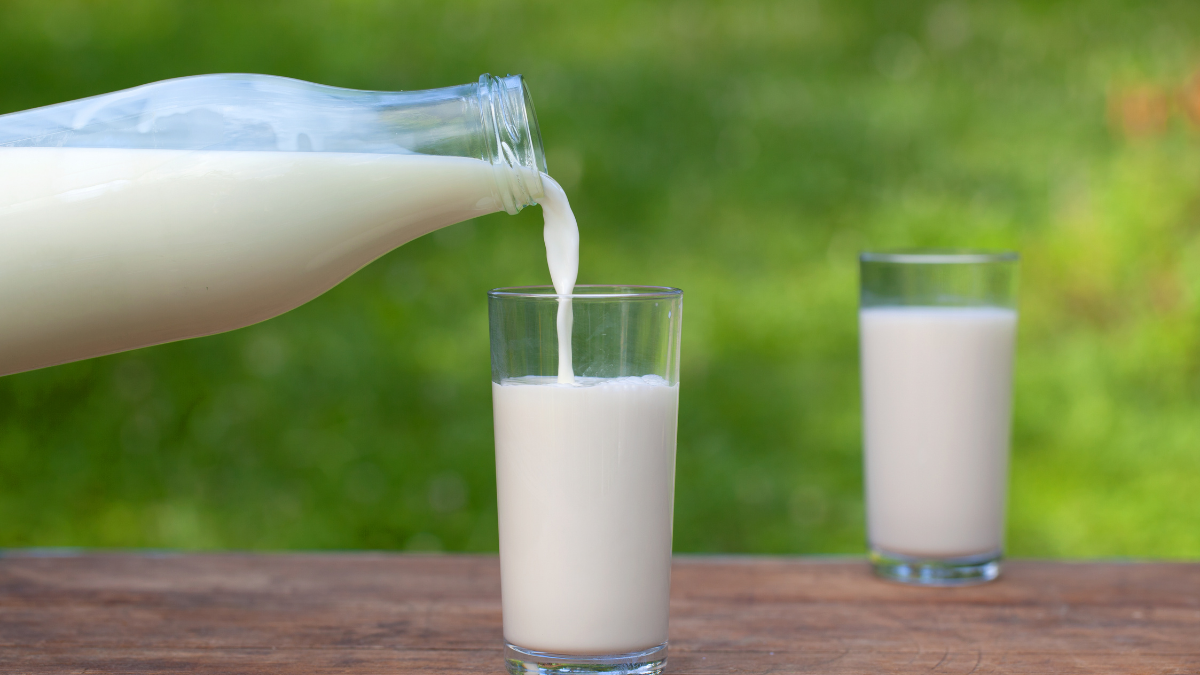
You have been lied to about the dairy aisle.
For years, wellness trends have pushed us toward expensive alternatives, leaving one of the most thoroughly researched foods sitting quietly in the fridge. But if you look at the actual clinical data, the true benefits of milk go far beyond what we were taught in elementary school.
It is not just about building strong bones for kids. Real, high-quality dairy is packed with a unique matrix of highly bioavailable nutrients that your body absorbs instantly.
From driving metabolic function to repairing cellular damage, the benefits of milk are measurable, immediate, and backed by decades of human trials. Let’s look at exactly what happens inside your body when you make this staple a regular part of your daily routine.
Quick Benefits Snapshot
- 8g of complete protein — in just one standard cup.
- 25% of your daily Calcium — instantly bioavailable for bone matrix repair.
- 15% of your daily Vitamin D — working alongside calcium for maximum absorption.
- 390mg of Potassium — actively regulating your blood pressure and hydration.
- 50% of your daily B12 — driving neurological function and energy production.
What Is Milk?
At its core, milk is a complex biological fluid designed to sustain and rapidly grow mammalian life. It is an emulsion of butterfat globules suspended in a water-based fluid that contains dissolved carbohydrates and protein aggregates.
Humans have been consuming dairy for thousands of years, adapting genetically to process its unique sugar, lactose. Today, it remains one of the most cost-effective and nutrient-dense dietary staples globally, used in everything from post-workout recovery shakes to rich culinary sauces.
But taste is just the beginning. Here is what happens inside your body when you make the benefits of milk a regular daily habit.
1. Builds Stronger Bones and Teeth
One cup delivers 300mg of calcium directly to your skeletal system.
This mineral density is crucial because your body constantly breaks down and rebuilds bone tissue. Without enough dietary calcium, it steals it from your skeleton, leading to long-term fragility.
The calcium here works synergistically with vitamin D and phosphorus, creating a highly absorbable mineral matrix. You feel this as stronger teeth, less joint pain, and long-term protection against osteoporosis.
This foundation of skeletal strength makes everyday movements easier and safer as you age.
2. Fuels Muscle Growth and Repair
Every serving provides 8 grams of high-quality milk protein.
This protein contains all nine essential amino acids required by the human body. Specifically, it offers a perfect 80/20 split of casein to whey—meaning you get both slow-digesting and fast-acting amino acids.
When you drink it after a workout, these proteins rush to repair micro-tears in your muscle fibers. You experience faster recovery times, less delayed onset muscle soreness, and noticeably better strength gains over time.
Repairing your muscles efficiently is the key to maintaining an active, injury-free lifestyle.
3. Restores Hydration and Electrolytes
Clinical hydration tests show dairy outperforms water for fluid retention.
Because it naturally contains sodium, potassium, and carbohydrates, it behaves perfectly as an isotonic fluid. This electrolyte balance pulls water right into your cells and keeps it there.
When you are depleted after a heavy sweat session, replacing lost fluids with this nutrient profile prevents cramping and fatigue. You will feel your energy levels stabilize without the sudden crash associated with sugary sports drinks.
Proper hydration is the invisible engine driving your daily stamina.
4. Supports Sustainable Weight Management
Dairy consumption is linked to a 20% lower risk of childhood and adult obesity.
Do not let the milk calories scare you away from the dairy aisle. The specific combination of fat and protein slows gastric emptying, meaning a single glass keeps you feeling full and satisfied for hours.
Using milk for weight loss works because it drastically reduces the urge to snack on empty carbohydrates later in the day. Your blood sugar remains stable, preventing the insulin spikes that trigger fat storage.
Controlling your appetite naturally is the smartest way to manage your body composition.
5. Protects Long-Term Heart Health
Regular consumers show significantly better potassium-to-sodium ratios.
Potassium acts as a vasodilator, meaning it relaxes the tension in your blood vessel walls. This active relaxation directly lowers your blood pressure and reduces the strain on your cardiovascular system.
By improving your vascular elasticity, it helps protect against arterial stiffness and long-term heart disease. You probably won’t feel this day-to-day, but your annual blood work will reflect a much happier heart.
Protecting your cardiovascular system ensures a longer, more vibrant healthspan.
6. Boosts Immune System Defense
Natural milk vitamins A and D actively regulate your immune response.
Vitamin A maintains the integrity of your mucosal barriers—your body’s first line of defense against pathogens. Meanwhile, using milk for immunity supplies the vitamin D required to activate your T-cells, the “soldiers” of your immune system.
When cold and flu season hits, having optimal levels of these specific vitamins ensures your body can fight off infections faster and more efficiently. You experience fewer sick days and a more resilient constitution year-round.
Now that you know what it does—let’s look at exactly what is inside it that makes all this possible.
Milk Nutrition Facts
| Nutrient | Amount per 1 Cup (Whole) | % Daily Value |
| Calories | 149 | 7% |
| Protein | 8g | 16% |
| Fat | 8g | 10% |
| Carbohydrates | 12g | 4% |
| Calcium | 276mg | 21% |
| Vitamin D | 3.2mcg | 16% |
| Potassium | 322mg | 7% |
| Vitamin B12 | 1.1mcg | 46% |
Understanding milk nutrition means looking beyond just the macronutrients.
That milk protein provides the structural building blocks for nearly every cell in your body. While you won’t find milk fiber in this liquid, the natural fats and proteins slow the digestion of its carbohydrates, preventing aggressive blood sugar spikes.
Furthermore, milk antioxidants include powerful compounds like glutathione and selenium, which actively reduce oxidative stress markers and protect your cells from premature aging.
The true benefits of milk come from how perfectly these vitamins, minerals, and bioactive compounds work together in one complete package.
And some of its most interesting effects are not even in that table. Here is what most people never find out.
Surprising Lesser-Known Benefits
🔬 Improves Sleep Quality
A warm glass before bed increases sleep efficiency by up to 15%.
It contains tryptophan and melatonin, which naturally signal your brain to initiate the sleep cycle. You fall asleep faster, wake up less frequently during the night, and feel noticeably more rested the next morning.
🔬 Reduces Daily Stress
The bioactive peptides in dairy actively lower cortisol levels.
These specific amino acid chains bind to receptors in the brain to produce a mild, natural calming effect. When you are feeling overwhelmed, it provides a measurable drop in physiological anxiety and tension.
🔬 Clears Skin Naturally
Using milk for skin health delivers high doses of lactic acid and retinol.
The milk antioxidants and natural fats support your skin’s lipid barrier, while vitamin A drives cellular turnover. You will notice a reduction in dry patches, less inflammation, and a smoother, more resilient complexion.
🔬 Enhances Cognitive Function
Adequate B12 intake prevents brain volume loss over time.
The high concentration of B vitamins protects your delicate myelin sheaths—the protective coating around your nerves. This translates to sharper focus, better memory retention, and a clearer mind during complex tasks.
Knowing how powerful it is, the next step is actually getting it into your daily routine.
How To Incorporate Milk Into Your Diet
- Upgrade your morning coffee: Skip the watery almond beverages and use whole dairy to maximize the absorption of fat-soluble vitamins.
- Create a sleep-inducing elixir: Warm it up with a dash of turmeric, cinnamon, and honey 30 minutes before bed.
- Use it as a tenderizer: Soak tough cuts of chicken or pork in it overnight; the lactic acid breaks down the proteins for incredibly tender meat.
- Supercharge your oatmeal: Cook your morning oats in dairy instead of water to instantly double the protein and calcium content.
To truly extract all the benefits of milk, consistency is much more important than quantity.
Before you start drinking it every single day, there are a few things worth knowing first.
Who Should Be Careful With Milk?
While it is a nutritional powerhouse, individuals with a genuine cow’s milk allergy or severe lactose intolerance must exercise caution. If you lack the lactase enzyme, consuming dairy can cause painful bloating, gas, and digestive distress. Always listen to your body and opt for lactose-free versions or completely avoid it if you experience an immune response.
Fortunately, for the vast majority of the population, it remains perfectly safe and highly beneficial.
FAQ Section
Is milk good for you every day?
Yes, is milk good for you daily? Absolutely, provided you tolerate lactose well. Daily consumption provides a highly reliable source of calcium, protein, and B-vitamins that are difficult to secure in such bioavailable forms elsewhere. Just ensure you account for the calories in your daily total. The benefits of milk compound when consumed consistently over time.
How much milk should I drink per day?
Most nutritional guidelines suggest between 1 to 3 cups per day for healthy adults. This amount perfectly covers your calcium and vitamin D baselines without displacing other important foods from your diet. Drinking more than this is fine, but moderation ensures a balanced nutrient intake across all food groups.
Does milk help with weight loss?
Yes, using milk for weight loss is highly effective when managed properly. The unique combination of whey and casein proteins severely blunts hunger signaling in the brain. By drinking a glass with your meal, you are much less likely to overeat later, making a caloric deficit significantly easier to maintain.
What are the side effects of drinking too much milk?
Excessive consumption can lead to gastrointestinal discomfort, even in those who are not strictly lactose intolerant. Additionally, drinking massive quantities can introduce too many calories, leading to weight gain, and in rare cases, excessive calcium can interfere with iron absorption. Stick to the recommended daily limits to maximize the benefits of milk without the downsides.
Is milk better consumed raw or pasteurized?
Pasteurization is highly recommended by every major health organization. While raw advocates claim it preserves certain enzymes, pasteurization successfully eliminates dangerous pathogens like E. coli and Salmonella without significantly degrading the milk nutrition profile. The minor loss of certain heat-sensitive enzymes does not outweigh the severe risks of foodborne illness.
Conclusion
You do not need to rely on exotic superfoods or highly processed supplements to optimize your body. From fortifying your skeleton to fueling your muscles and protecting your heart, this humble staple has earned its place in a healthy diet.
The data is clear: the benefits of milk are vast, measurable, and highly impactful for your long-term health.
Take a hard look at your current diet. Are you getting enough highly bioavailable protein and calcium? If not, the easiest, most cost-effective health upgrade fits right in the palm of your hand.