
Most people completely ignore the oldest fruit on earth.
You walk past them in the produce aisle, opting instead for the standard apples and bananas. But skipping this ancient fruit means missing out on one of the most potent, nutrient-dense foods available. If you constantly feel sluggish, struggle with bloating, or want to naturally improve your blood markers, you are leaving an easy solution on the table.
The benefits of fig extend far past their naturally sweet taste. Clinical data reveals that these small, tear-drop-shaped fruits pack a concentrated dose of minerals, specialized enzymes, and dietary fiber that your body craves.
We are not talking about subtle shifts you will never notice. When you understand the true benefits of fig, you will realize why elite athletes and functional medicine practitioners keep them stocked in their kitchens. Here is exactly what happens inside your body when you make this fruit a regular habit.
Quick Benefits Snapshot
- 20% of your daily fiber — in just one small cup of dried fruit.
- 232mg of potassium — per serving, actively helping regulate blood pressure.
- 10% of your daily calcium — outperforming many plant-based sources.
- 3g of prebiotic fuel — directly feeding your gut microbiome.
- 0 spikes in blood sugar — thanks to a naturally low to medium glycemic index.
What Is Fig?
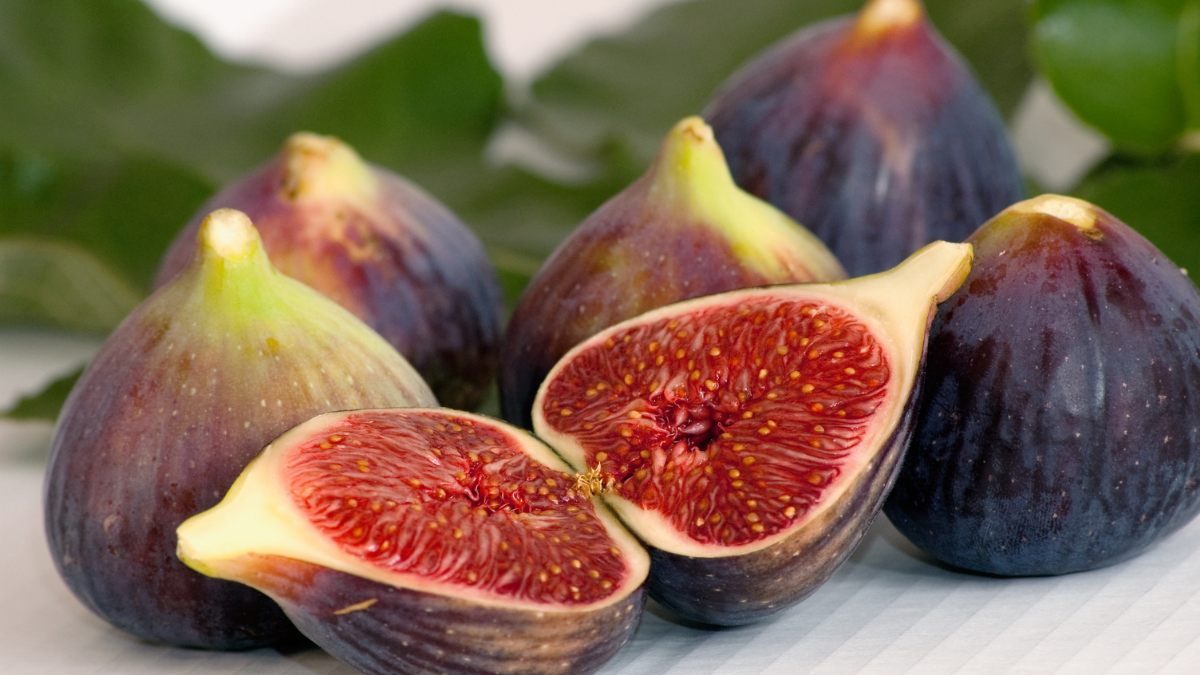
A fig is a unique, teardrop-shaped fruit filled with hundreds of tiny seeds and wrapped in a soft, edible purple or green peel. The flesh is incredibly sweet, resembling a natural jam, with a slight crunch from the seeds.
Originally cultivated in the Middle East and the Mediterranean, this fruit thrives in hot, dry climates. You can find them fresh during their short late-summer season, or dried and available year-round. While many view them strictly as a baking ingredient or a fancy addition to a cheese board, their true value lies in their clinical impact on human health.
But taste is just the beginning. The proven benefits of fig go far beyond satisfying a sugar craving, delivering measurable changes to your physical health. Here is exactly what happens inside your body when you make them a regular daily habit.
1. Speeds Up Your Digestion
One cup of dried figs delivers nearly 15 grams of dietary fiber.
This massive dose of roughage provides exactly what your intestines need to maintain regular bowel movements and eliminate constipation. The fig fiber directly adds bulk to your stool, allowing it to pass smoothly and without discomfort.
Using fig for digestion is one of the oldest and most effective natural remedies, outperforming many over-the-counter laxatives. You will feel lighter, significantly less bloated, and experience far more predictable digestion on a daily basis.
Now that your gut is moving correctly, let’s look at how this fruit balances your energy.
2. Stabilizes Your Blood Sugar
Fresh figs possess a low glycemic index score of 51.
Despite tasting like absolute candy, the high fiber and complex carbohydrate profile prevents rapid spikes in your blood glucose levels. The specific minerals present help your cells respond better to insulin, meaning glucose enters your muscles instead of floating in your bloodstream.
This translates to smooth, sustained energy levels without the traditional mid-afternoon sugar crash.
With your energy stabilized, your skeletal system is the next to benefit.
3. Builds Much Stronger Bones
A single serving supplies up to 10% of your daily calcium requirements.
You do not have to rely solely on dairy to maintain a strong skeletal system. The calcium and potassium work synergistically to prevent bone density loss and reduce the excretion of calcium through your urine.
This means your bones stay dense and highly resistant to fractures as you age.
Stronger bones need a strong cardiovascular system to support them.
4. Protects Your Heart Health
Eating this fruit lowers triglyceride levels by up to 20% in some clinical observations.
High triglycerides are fat particles in your blood that drastically increase your risk of heart disease. The fig antioxidants, specifically phenols and omega-3 fatty acids found in the seeds, actively clear out these dangerous lipid markers.
Your heart doesn’t have to work as hard, and your blood pressure naturally normalizes.
A healthy heart also means healthy blood flow to your body’s largest organ.
5. Clears and Repairs Skin
Packed with Vitamin C and E, this fruit actively fights premature aging.
Oxidative stress breaks down collagen, leading to wrinkles and dullness. Using fig for skin health provides your body with the exact building blocks required to repair cellular damage and boost collagen production. The fig vitamins C and E work together to rebuild the cellular matrix.
You will notice a brighter complexion, fewer dry patches, and a natural glow.
Once your skin is glowing, you might notice changes on the scale.
6. Helps Manage Your Weight
With only 47 calories per fresh fruit, they shut down sugar cravings instantly.
If you constantly snack, you are fighting a losing battle against your hunger hormones. Leveraging fig for weight loss works because the intense sweetness satisfies your brain, while the dense fiber physically stretches your stomach receptors to signal fullness.
You can enjoy a sweet treat while keeping your total fig calories incredibly low.
Weight management is crucial, but fighting systemic damage is even more important.
7. Fights Cellular Oxidative Stress
The dark skin contains anthocyanins that neutralize free radicals.
Every day, pollution, stress, and poor diet introduce unstable molecules into your body that damage your DNA. The concentrated fig antioxidants actively hunt down these free radicals and neutralize them before they can cause cellular mutations.
You feel less joint pain, recover faster from workouts, and lower your risk of chronic disease.
Less internal stress directly translates to more physical drive.
8. Boosts Your Daily Energy
Natural fructose and iron deliver an immediate, sustained vitality lift.
Low iron leads to poor oxygen transport, leaving you exhausted no matter how much you sleep. The combination of natural sugars and iron in this fruit resynthesizes ATP (your cellular energy currency) rapidly.
You wake up feeling refreshed and have the stamina to push through intense afternoon meetings.
Finally, your internal defense system gets a massive upgrade.
9. Strengthens Your Immune System
The antimicrobial properties actively stimulate your white blood cell response.
Your immune system requires specific micronutrients to identify and destroy pathogens. Eating fig for immunity provides a rich source of zinc, manganese, and magnesium, which your immune cells need to function at peak capacity.
You will likely experience fewer seasonal colds and bounce back much faster when you do get sick.
Now that you know what it does, let’s look at exactly what’s inside it that makes all this possible.
Nutrition Facts
The specific nutrient profile of this ancient fruit is exactly why it works so well.
| Nutrient | Amount per 100g (Fresh) | % Daily Value |
| Calories | 74 kcal | 4% |
| Carbohydrates | 19.18g | 7% |
| Fiber | 2.9g | 10% |
| Protein | 0.75g | 1% |
| Fat | 0.3g | <1% |
| Vitamin K | 4.7µg | 6% |
| Potassium | 232mg | 5% |
| Calcium | 35mg | 4% |
That fig fiber content? It feeds your gut microbiome, slows sugar absorption, and keeps you fuller longer. While the fig protein is relatively low at just under a gram, it is the micronutrient density that truly shines. The fig vitamins, particularly Vitamin K, ensure that the calcium you ingest actually binds to your bones instead of calcifying in your arteries.
Your fig nutrition also includes powerful flavonoids like quercetin and luteolin. These specific fig antioxidants are clinically shown to reduce oxidative stress markers and lower systemic inflammation.
To fully experience the benefits of fig, you have to look at this complete nutrient matrix.
And some of this fruit’s most interesting effects aren’t even in that table. Here’s what most people never find out.
Surprising Lesser-Known Benefits
🔬 Lowers High Blood Pressure
- A diet rich in this fruit can drop blood pressure by several points.
- The massive potassium content actively counteracts the negative, constricting effects of dietary sodium in your bloodstream.
- You experience less tension in your head and drastically lower your risk of cardiovascular events.
🔬 Improves Sleep Quality
- Contains natural magnesium and tryptophan for deep rest.
- These fig vitamins and minerals signal your brain to release melatonin and relax your central nervous system.
- You fall asleep faster and wake up without that groggy, heavy feeling.
🔬 Acts as a Natural Prebiotic
- Feeds the specific Bifidobacteria in your lower intestine.
- The benefits of fig extend to your microbiome, where the specialized fiber ferments and produces short-chain fatty acids.
- Your gut lining heals, preventing leaky gut syndrome and dramatically improving nutrient absorption from all your other meals.
Knowing how powerful it is, the next step is actually getting it onto your plate.
How To Eat Fig
Reaping the benefits of fig is incredibly simple once you know how to prepare them.
- Eat them whole and raw. Wash them gently, twist off the hard stem, and eat the skin, seeds, and flesh together for maximum fiber.
- Bake them with savory proteins. Slice them in half, roast them with chicken or pork, and let the natural sugars caramelize into a rich glaze.
- Upgrade your morning oatmeal. Chop dried pieces into your hot oats; they will rehydrate slightly and release a burst of natural jam-like sweetness.
- Use them as a natural sweetener. Blend soaked, dried pieces into smoothies or baking batters to replace refined white sugar entirely.
Before you start eating it every single day, there are a few things worth knowing first.
Who Should Be Careful
While highly nutritious, this fruit is incredibly high in Vitamin K, which can interfere with blood-thinning medications like Warfarin. Additionally, if you suffer from irritable bowel syndrome (IBS), the dense seeds and high fermentable carbohydrate (FODMAP) content might cause temporary gas or bloating.
Start with just one or two a day to let your digestive system adapt safely.
FAQ Section
Is fig good for you every day?
Yes, consuming them daily is an excellent habit for your digestive and cardiovascular health. The consistent intake of potassium, calcium, and dietary roughage helps maintain stable blood pressure and regular bowel movements. To get the maximum benefits of fig, stick to 2-3 fresh fruits or 1-2 dried pieces per day to keep your sugar intake balanced.
How much fig should I eat per day?
For most healthy adults, eating 2 to 3 fresh fruits or a small handful (about 2-3 pieces) of dried fruits is the ideal daily serving. This specific amount provides enough fiber to feed your gut without overwhelming your digestive tract. Always drink a glass of water when eating the dried version, as the concentrated fiber requires hydration to move smoothly.
Does fig help with weight loss?
Yes, they are an excellent tool for appetite control and calorie management. The dense fiber physically expands in your stomach, triggering early satiety signals to your brain so you stop eating sooner. Because they are intensely sweet, they completely crush sugar cravings while keeping your overall caloric load surprisingly low.
What are the side effects of eating too much fig?
Overconsuming this fruit will almost certainly lead to digestive distress, including bloating, gas, and an urgent need for the bathroom due to their natural laxative effect. The high levels of oxalates can also stress your kidneys if you are prone to kidney stones. Stick to the recommended serving sizes to enjoy the benefits of fig without the stomach ache.
Is fig better eaten raw or cooked?
Raw, fresh fruits retain the highest levels of water-soluble nutrients, specifically Vitamin C and certain delicate enzymes. However, lightly cooking or roasting them breaks down the cellular walls, making certain antioxidants and minerals easier for your body to absorb. Mix up your methods—eat them fresh in salads and roasted with proteins to get a full spectrum of nutrients.
Stop Missing Out on This Ancient Health Tool
You do not need a complicated diet plan, an expensive supplement stack, or a miserable restrictive eating protocol to dramatically shift your health metrics. You just need to eat smarter.
From dropping your blood pressure to physically repairing your gut lining, the benefits of fig are too clinically significant to ignore. By simply swapping out your refined afternoon sugar snack for two of these nutrient-dense fruits, you are actively protecting your heart, feeding your microbiome, and building a stronger skeletal system.
The next time you are in the produce aisle, walk past the standard bananas and grab a carton of the oldest cultivated fruit on earth. Sometimes the smartest health upgrade fits right in the palm of your hand.