
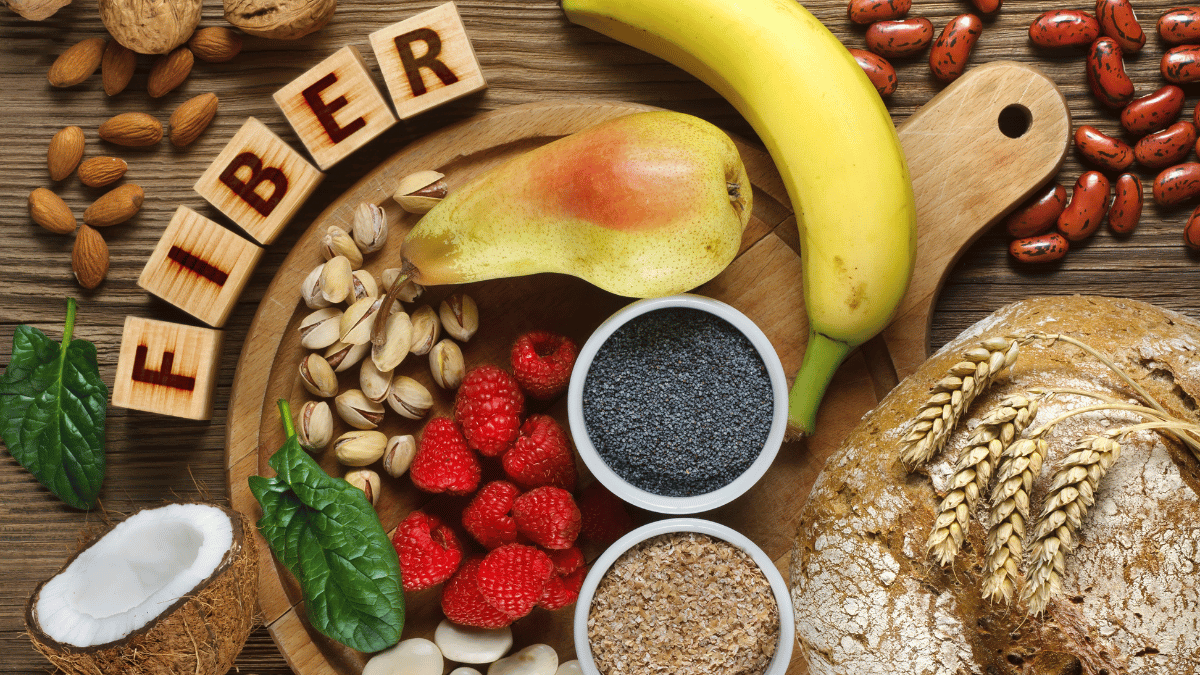
95% of Americans are completely failing their daily fiber goals. Most adults are walking around deficient in fiber and have no idea. The symptoms are so common we have normalized them — bloating, sluggish digestion, brain fog, and energy crashes. The benefits of fiber only kick in when you are actually getting enough of it. Most people are not.
Over 95% of adults worldwide do not meet their daily requirement. Yet it controls major bodily functions, from blood sugar regulation to heart health. Fix your fiber levels and you fix half your daily health complaints. That sounds dramatic until you look at what this single nutrient is responsible for inside your body every single day. If you want to experience the true benefits of fiber, you have to stop thinking of it as just a digestive aid. Let’s look at what is actually happening inside your gut.
What Is Fiber?
Fiber is a type of carbohydrate that your body cannot digest. While most carbs are broken down into sugar molecules, fiber passes through your intestinal tract relatively intact. It comes in two main forms: soluble and insoluble. Soluble fiber dissolves in water to form a gel-like substance, slowing digestion and stabilizing blood sugar. Insoluble fiber adds bulk to your stool, helping food move through your digestive system smoothly.
Its primary role is to keep your digestive tract flowing, but it also heavily influences your heart, metabolism, and immune system. Knowing the benefits of fiber changes how you look at your plate.
Now that you know what fiber is — let’s look at exactly what it does when your levels are where they should be.
Key Benefits of Fiber
1. Stabilizes Blood Sugar Fast
Soluble fiber slows the absorption of sugar, preventing massive insulin spikes after meals. When you eat a carbohydrate-heavy meal with zero fiber, your blood glucose rockets up and crashes down. Fiber for blood sugar control acts like a physical barrier in your gut, releasing energy slowly over several hours. This prevents the mid-afternoon energy slump and keeps your metabolism humming. You feel sustained, balanced energy instead of the constant highs and lows. Those benefits only show up when you are consistent.
2. Lowers Bad Cholesterol Levels
Soluble fiber binds to cholesterol particles in your digestive system and drags them out of your body before they enter your bloodstream. By capturing bile acids, your liver has to pull cholesterol from your blood to make more. This mechanism makes fiber for heart health incredibly effective. You actually feel lighter and more energetic when your cardiovascular system is not bogged down. Your heart doesn’t have to work nearly as hard.
3. Feeds Good Gut Bacteria
Your microbiome relies on fermentable fiber to survive and multiply. When these beneficial bacteria consume fiber, they produce short-chain fatty acids like butyrate, which reduce inflammation across your entire body. Without enough fuel, your gut bacteria starve, leading to bloating and poor digestion. Fiber for digestion properly transforms how your stomach feels after a heavy meal. You digest faster and feel significantly less inflamed.
4. Keeps You Full Longer
Fiber physically stretches your stomach lining, which sends immediate satiety signals to your brain. Soluble fiber creates a viscous gel that delays stomach emptying, keeping you satisfied for hours. This means fewer cravings and less mindless snacking between meals. When you optimize your intake, you naturally stop overeating because your body actually feels nourished and full. It completely turns off the constant urge to snack.
5. Speeds Up Waste Removal
Insoluble fiber acts like a broom for your intestines, sweeping waste through your system quickly and efficiently. When waste sits in your colon too long, toxins get reabsorbed and cause systemic inflammation. Fiber for colon health ensures regular, effortless bathroom habits. You feel significantly less sluggish and bloated when your digestive transit time is optimized. It is the easiest way to flatten a bloated stomach.
6. Supports Immune System Function
A healthy gut lining is your first defense against pathogens, and short-chain fatty acids from fiber strengthen this barrier. By feeding your good bacteria, you indirectly boost your body’s immune response. When your gut environment is thriving, you catch fewer colds and recover from illnesses faster. Fiber for immunity is one of the most underrated advantages of hitting your daily target. You stay healthier year-round.
Those benefits only show up when your levels are adequate. Here is how to know if yours are not.
Signs of Fiber Deficiency
Currently, the vast majority of adults are missing their targets, making fiber deficiency symptoms incredibly common. The benefits of fiber are entirely absent when your body is starving for roughage. Here are the clear signs of fiber deficiency:
- Constipation and straining — When your diet lacks bulk, stool becomes hard and difficult to pass, causing painful and irregular bathroom trips.
- Constant hunger — Fiber regulates satiety hormones, so a deficiency leaves you feeling empty and reaching for snacks an hour after lunch.
- Energy crashes — Without fiber to slow digestion, your blood sugar spikes and plummets rapidly, leaving you exhausted by midday.
- High cholesterol — Lacking the binding power of soluble fiber in your gut allows excess cholesterol to freely enter your bloodstream.
- Frequent bloating — Starving your good gut bacteria throws off your microbiome balance, leading to excess gas and an uncomfortable, distended stomach.
- Weight gain — Because foods lacking fiber are less filling and digested quickly, you naturally consume more calories throughout the day.
- Sluggish digestion — A lack of insoluble fiber means food moves through your digestive tract at a snail’s pace, causing a heavy, lethargic feeling.
If any of those sounded familiar — the next thing you need to know is exactly how much fiber your body actually requires.
How Much Fiber Do You Need Per Day?
| Group | Daily Requirement |
| Adult men | 38 grams |
| Adult women | 25 grams |
| Pregnant women | 28 grams |
| Children (1-8 years) | 19-25 grams |
| Elderly (65+) | 21-30 grams |
The daily fiber intake for most adults hovers around 25 to 38 grams, but the vast majority of people barely consume 15 grams. There is an upper limit, though it is usually related to how fast you increase your intake. If you jump from 10 grams to 40 grams overnight, you will experience severe bloating and gas.
So, exactly how much fiber per day should you aim for? Look at the table above, find your age bracket, and track your meals for three days to see your baseline. To hit your daily target from food alone, you would need to eat about three cups of raspberries or several servings of beans per day.
Now that you know your target — let’s look at the best ways to hit it through food alone.
Best Food Sources of Fiber
| Food | Serving Size | Fiber Content | % Daily Value |
| Chia Seeds | 1 ounce (28g) | 9.8g | 35% |
| Lentils (cooked) | 1 cup | 15.6g | 56% |
| Black Beans (cooked) | 1 cup | 15g | 54% |
| Raspberries | 1 cup | 8g | 29% |
| Artichoke (cooked) | 1 medium | 6.8g | 24% |
| Green Peas (cooked) | 1 cup | 8.8g | 31% |
| Oats (raw) | 1/2 cup | 4g | 14% |
| Avocado | 1/2 medium | 6.7g | 24% |
| Pear (with skin) | 1 medium | 5.5g | 20% |
| Broccoli | 1 cup | 5.1g | 18% |
Incorporating fiber rich foods into your meals is easier than you think. Raspberries and chia seeds are two of the most surprising sources, packing a massive amount of roughage into tiny serving sizes. [internal link: benefits of raspberries]
Foods high in fiber like avocados also provide healthy fats that slow down digestion even further. [internal link: benefits of kiwi]
When choosing your meals, remember that fiber absorption relies heavily on water. If you increase your roughage without drinking enough water, you will become constipated. Look to combine your meals with foods that are naturally hydrating to maximize the benefits of fiber. [internal link: benefits of cauliflower]
[internal link: benefits of peas]
Food is always the first choice. But sometimes it is not enough on its own. Here is when supplements are worth considering.
Should You Take Fiber Supplements?
Fiber supplements can bridge the gap when your diet falls short, but they should never replace whole foods entirely. Supplements like psyllium husk or methylcellulose provide concentrated doses of soluble or insoluble roughage. Psyllium husk forms a thick gel in your gut, which makes it excellent for regulating bowel movements.
When reading labels, look for products without added sugars or artificial sweeteners. A typical dosage ranges from 3 to 5 grams per serving. Start with one serving a day and drink a large glass of water with it to prevent cramping.
Food first — always. But if your levels are genuinely low, here is what to look for. Use exact dosage instructions on your specific fiber supplements to avoid digestive blockages.
Before you add anything to your routine — there are a few groups of people who need to approach fiber with extra care.
Who Should Be Careful
People with certain gastrointestinal disorders, like active Crohn’s disease or severe IBS, may need to limit roughage during flare-ups to avoid irritating their digestive tract. Additionally, massive doses of supplemental roughage can bind to certain medications, reducing their absorption rate in your body. If you take prescription drugs, space them out at least two hours from your supplement dose. Always listen to your gut — literally. Adjusting your intake slowly guarantees a comfortable transition.
Frequently Asked Questions
Is fiber good for you every day?
Yes, consistent daily intake is crucial for maintaining a healthy digestive system and stabilizing blood sugar. Your gut microbiome requires a steady stream of fermentable roughage to thrive and keep inflammation low. The benefits of fiber compound over time, meaning daily consistency yields the best results for your heart and metabolism. Aim to spread your intake evenly across all your meals.
What are the signs of fiber deficiency?
The most obvious indicators include chronic constipation, bloating, and constant hunger shortly after eating. You might also experience mid-afternoon energy crashes due to rapid blood sugar fluctuations. Recognizing these signs early allows you to adjust your diet before long-term metabolic issues develop. Tracking your meals for a few days will quickly confirm if you are falling short.
What foods are highest in fiber?
Legumes, berries, and seeds top the charts for nutrient density. Lentils, black beans, and chia seeds deliver massive amounts of roughage per serving. Adding just half a cup of beans or a handful of raspberries to your daily routine makes a huge dent in your overall requirement. Whole grains and leafy greens also contribute significantly to your daily total.
How much fiber should I take per day?
Adult women generally need 25 grams, while adult men should aim for 38 grams daily. If you are using a supplement, start with just 3 to 5 grams per day and increase slowly to avoid gas and bloating. Always calculate your intake from food first before relying on powders or capsules. Drink plenty of water as you increase your daily target.
Can you get too much fiber?
Yes, consuming over 50 to 70 grams daily can cause severe digestive distress, including gas, bloating, and intestinal blockages. Too much roughage can also interfere with the absorption of essential minerals like calcium, iron, and zinc. The key is to increase your intake gradually over several weeks so you can enjoy the benefits of fiber safely. Your digestive tract needs time to adapt to processing more bulk.
Final Thoughts on Hitting Your Daily Target
Hitting your daily target is one of the most effective ways to upgrade your entire metabolic system. The benefits of fiber go far beyond simple digestion; they protect your heart, stabilize your energy, and feed your microbiome. When you prioritize nutrient-dense foods, you naturally crowd out processed garbage that drags your health down.
If you are experiencing constant hunger, brain fog, or sluggish digestion, your body is asking for more roughage. Do not ignore these deficiency signs. Grab a handful of berries, add some beans to your salad, and drink a large glass of water.
You do not need a complicated supplement stack — sometimes fixing one nutritional gap changes everything. Start with food. Start today.