
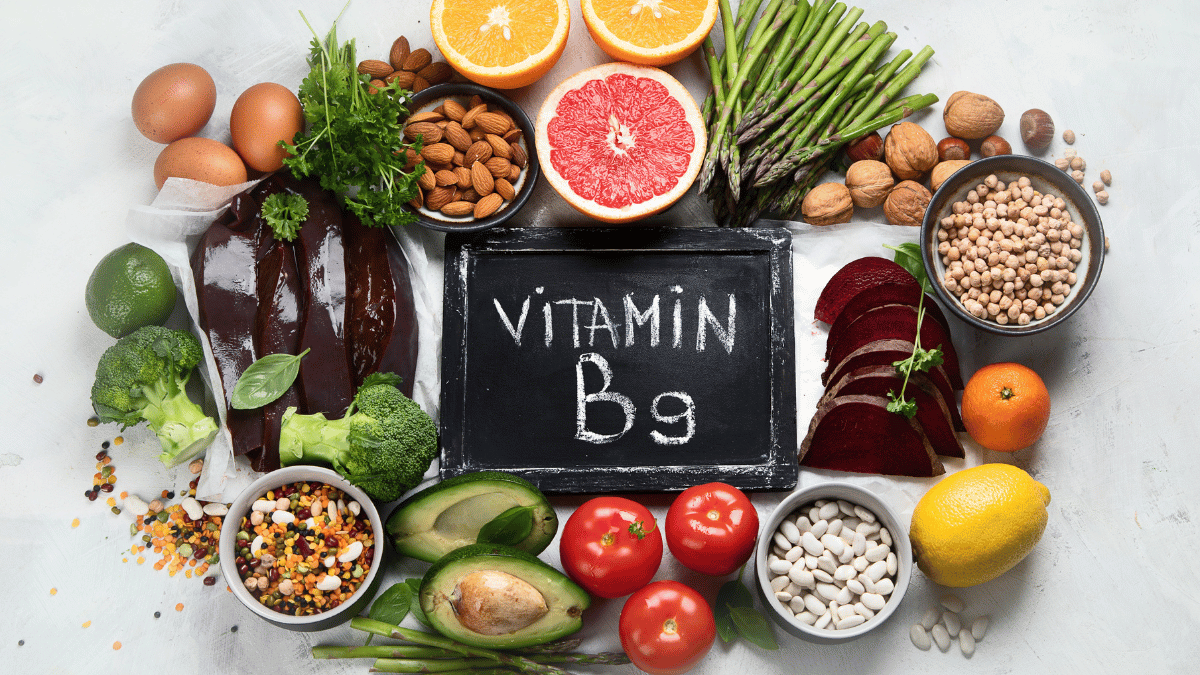
Most people only think about vitamin B9 when they see a positive pregnancy test. But this quiet powerhouse does a lot more than just support a growing baby. Your body uses it every single day to perform some of its most critical functions, from repairing DNA to producing the red blood cells that keep your energy levels stable. If you feel constantly drained or struggle with brain fog, you might be missing out on the everyday benefits of folate.
The truth is, your body cannot produce this essential nutrient on its own. You have to get it from your diet. And while many processed foods are fortified with synthetic versions, getting the real deal from whole foods interacts with your system differently. When you understand exactly what this vitamin does, you realize it is not just a prenatal necessity—it is a daily requirement for a sharp mind and a healthy heart.
Let’s look at exactly how this nutrient works, why you need it, and how to get enough of it without overthinking your meals.
1. The Unsung Hero: What Exactly is Folate (B9)?
Folate is a water-soluble B vitamin naturally present in many foods. Its name comes from the Latin word “folium,” which means leaf—a massive clue about where you can find it in nature. Your body relies on it to make DNA and other genetic material. It is also a key player in cellular division, meaning every time your body needs to heal, grow, or replace old cells, it calls on vitamin B9 to get the job done.
Because it is water-soluble, your body does not store it in large amounts. You use what you need and flush out the rest. That means you need a steady, continuous supply from your meals to keep your systems running smoothly. But taste is just the beginning. Here is what happens inside your body when you make this vitamin a daily habit.
2. The Benefits of Folate: Why Your Body Craves This Nutrient
While it often gets grouped under the general umbrella of B vitamins, the specific benefits of folate deserve their own spotlight. Here is exactly how it supports your health.
1. Supports Healthy Fetal Development
Folate is famous for its role in early pregnancy, and the numbers back up its reputation. Adequate intake reduces the risk of neural tube defects (like spina bifida) by up to 70%. It helps form the neural tube in the first few weeks of pregnancy, often before a woman even knows she is expecting.
2. Lowers Heart Disease Risk
High levels of an amino acid called homocysteine are linked to an increased risk of heart disease and stroke. Folate steps in to break down homocysteine, keeping your blood vessels healthy. Research shows that maintaining optimal levels can reduce your overall risk of cardiovascular events by around 10%.
3. Boosts Brain Function
Your brain needs this nutrient to produce essential neurotransmitters like serotonin and dopamine. Low levels are consistently linked to poor cognitive function and an increased risk of dementia in older adults. Getting enough daily helps maintain memory, focus, and overall mental sharpness.
4. Improves Mood and Mental Health
Because it helps synthesize neurotransmitters, it directly impacts your mood. Studies show that up to 30% of patients with severe depression also have low blood levels of this vitamin. Ensuring adequate intake can help stabilize mood and improve the effectiveness of certain mental health treatments.
5. Promotes Healthy Cell Division
Every second, your body produces millions of new cells. Whether you are healing from a workout, recovering from a cut, or just maintaining healthy skin, your cells need vitamin B9 to divide correctly. Without it, cellular repair slows down dramatically.
6. Enhances Red Blood Cell Formation
Folate works hand-in-hand with vitamin B12 to produce healthy red blood cells. These cells carry oxygen to every tissue in your body. When production drops, you can develop a specific type of anemia that leaves you feeling weak, pale, and chronically exhausted.
Now that you know what it does, let’s look at a critical distinction most people miss.
3. Folate vs. Folic Acid: Understanding the Key Differences
You will often hear these two terms used interchangeably, but they are not the same thing. Folate is the natural form of vitamin B9 found in food. Folic acid is the synthetic version found in supplements and fortified foods like breakfast cereals and enriched breads.
The big difference lies in folate absorption. Your digestive system easily converts the natural version into the active form your body uses (5-MTHF) right in the gut. Folic acid, however, requires your liver to do the heavy lifting. For some people, this conversion process is incredibly slow, leading to a buildup of unmetabolized folic acid in the bloodstream. Sticking to natural, whole-food sources is generally the most efficient way to give your body exactly what it needs.
4. How Much Folate Do You Really Need? Your Daily Requirements
Hitting your daily folate intake is easier than you think, but the exact amount depends on your stage of life. Here is a breakdown of what the data recommends in micrograms of dietary folate equivalents (mcg DFE).
| Group | Daily Requirement |
|---|---|
| Adult Men (19+ years) | 400 mcg DFE |
| Adult Women (19+ years) | 400 mcg DFE |
| Pregnant Women | 600 mcg DFE |
| Breastfeeding Women | 500 mcg DFE |
| Children (9-13 years) | 300 mcg DFE |
Keep in mind that the upper limit for synthetic folic acid is 1,000 mcg per day for adults, but there is no established upper limit for the natural version found in food.
5. Top Food Sources: Getting Your Folate Fix Naturally
If you want to maximize your intake, head straight to the produce aisle. Here are some of the best foods high in folate to add to your grocery list.
| Food Source | Serving Size | Amount (mcg DFE) | % Daily Value |
|---|---|---|---|
| Spinach (cooked) | 1/2 cup | 131 mcg | 33% |
| Black-eyed peas | 1/2 cup | 105 mcg | 26% |
| Asparagus | 4 spears | 89 mcg | 22% |
| Brussels sprouts | 1/2 cup | 78 mcg | 20% |
| Avocado | 1/2 cup | 59 mcg | 15% |
| Broccoli | 1/2 cup | 52 mcg | 13% |
To get the most out of these folate rich foods, pay attention to how you prepare them. Because the vitamin is water-soluble and sensitive to heat, boiling your vegetables can strip away up to half of their nutrient content. Steaming, roasting, or eating them raw ensures you absorb as much as possible. [internal link: benefits of avocado — high in folate]
6. Signs You Might Be Low: Recognizing Folate Deficiency
Even with fortified foods available, many people still fall short. Knowing the signs of folate deficiency can help you catch a drop in levels before it severely impacts your daily life. Here are the most common folate deficiency symptoms to watch for:
- Extreme fatigue — When your red blood cell count drops, less oxygen reaches your muscles and organs, leaving you drained even after a full night’s sleep.
- Brain fog and trouble concentrating — The brain requires this nutrient for proper neurotransmitter function, so low levels directly impair cognitive tasks.
- Sore tongue or mouth sores — A lack of cellular repair can cause noticeable inflammation and ulcers in the fast-growing tissues of your mouth.
- Muscle weakness — Without adequate oxygen delivery, your muscles struggle to perform basic, everyday movements.
- Mood changes — A drop in neurotransmitter production can lead to unexpected feelings of irritability or unexplained sadness.
If you recognize several of these symptoms, a simple blood test can confirm where your levels stand.
7. Who Needs Extra Folate? Special Considerations and Supplementation
Food first is always the best approach. But in certain situations, diet alone is not enough. Pregnant women absolutely need higher amounts to support fetal development, which is why prenatal vitamins are universally recommended.
Additionally, people with digestive disorders like celiac disease or Crohn’s disease often struggle with absorption and may require targeted folate supplements. Those who consume excessive amounts of alcohol are also at a high risk for deficiency, as alcohol directly interferes with the body’s ability to absorb and store the nutrient.
8. Beyond the Basics: Advanced Insights into Folate’s Role
One of the most fascinating discoveries in recent nutrition science involves genetics. Up to 40% of the population carries a mutation in the MTHFR gene. This gene is responsible for creating the enzyme that converts synthetic folic acid into the active form the body can actually use.
If you have this mutation, your body might struggle to process fortified foods or standard supplements. For these individuals, getting the nutrient from dark leafy greens, or using a supplement specifically labeled as “L-methylfolate” (the active form), makes a massive difference in energy and overall health.
9. FAQs About Folate: Your Burning Questions Answered
Is folate good for you every day?
Yes, you need it every single day. Because it is water-soluble, your body cannot store large reserves of it for long periods. You constantly use it for cellular repair and energy production, so getting a consistent daily dose from foods like spinach, lentils, and asparagus is critical for maintaining your health.
What are the signs of folate deficiency?
The most common signs include chronic fatigue, muscle weakness, and brain fog. You might also notice physical symptoms like a swollen tongue, mouth sores, or pale skin. These symptoms occur because your body cannot produce enough healthy red blood cells to deliver oxygen efficiently.
What foods are highest in folate?
Dark leafy greens are the undisputed champions. Spinach, kale, and collard greens pack massive amounts per serving. Legumes like black-eyed peas and lentils are also incredibly dense sources. For a quick snack, reaching for an avocado or a handful of peanuts will give you a solid nutrient boost.
How much folate should I take per day?
Most healthy adults need 400 mcg DFE per day. If you are pregnant, that number jumps to 600 mcg to support the rapid cellular growth of the baby. Always aim to get this through whole foods first, relying on supplements only if you fall into a high-risk category or are planning a pregnancy.
Can you get too much folate?
It is virtually impossible to get too much strictly from eating whole foods. Your body easily flushes out what it does not need. However, you can consume too much synthetic folic acid from heavy supplementation, which can mask the symptoms of a vitamin B12 deficiency and cause neurological damage over time.
10. The Bottom Line on Folate: A Small Nutrient with a Big Impact
We often obsess over macronutrients like protein and carbs, completely ignoring the microscopic compounds that actually keep our biological engines running. The benefits of folate touch almost every system in your body, from the strength of your heart to the clarity of your thoughts.
You do not need a complicated routine to get enough of it. Adding a handful of spinach to your morning eggs, tossing some avocado on your salad, or swapping rice for lentils can easily help you hit your daily targets. Sometimes the smartest health upgrade is just eating a few more greens.