
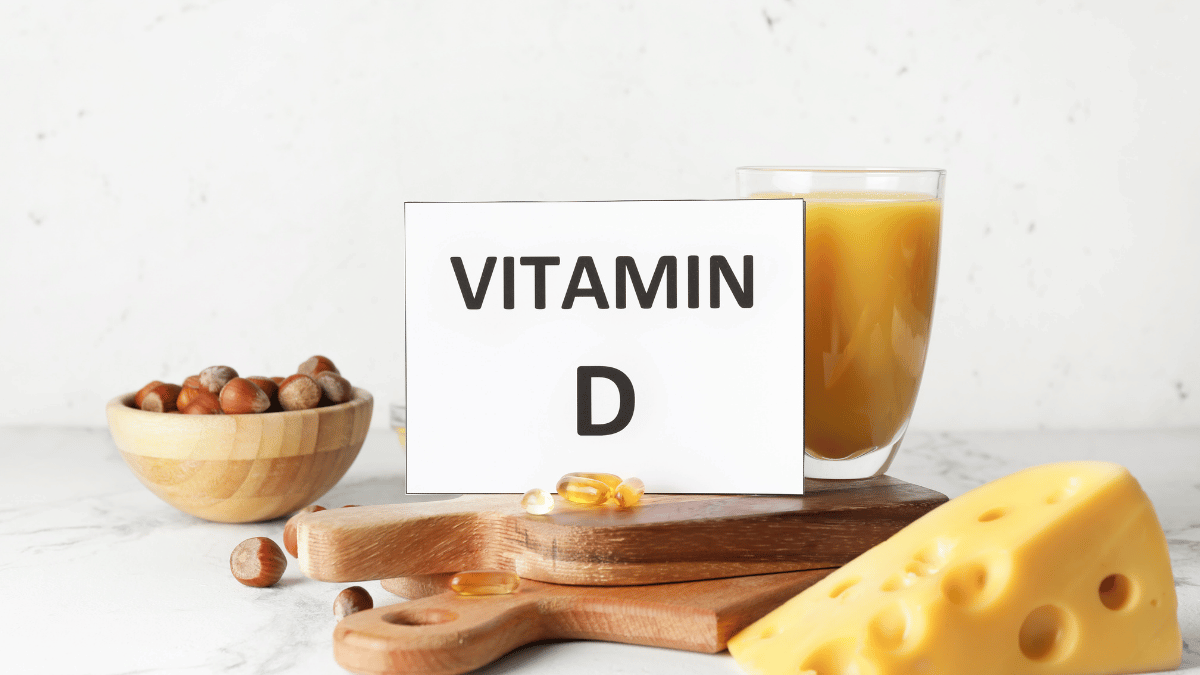
You probably think you get enough sunshine. But the hard data tells a very different story. Nearly 42% of adults quietly walk around with insufficient levels of this vital nutrient, completely unaware of what they are missing. You might be eating clean, hitting the gym, and sleeping eight hours, yet still feel completely drained by the time 3 p.m. rolls around. If you are struggling with unexplained fatigue, aching joints, or a weak immune system, the benefits of Vitamin D might be the exact missing piece your body is begging for.
Most people view this nutrient purely as a mood booster for winter months. That severely underestimates what it actually does. One adequate dose acts more like a hormone than a traditional vitamin, interacting with nearly every single cell in your body. From regulating your immune responses to literally helping your bones absorb calcium, the benefits of Vitamin D stretch far beyond a simple sunny disposition.
But taste and sunshine are just the beginning. Here is what happens inside your body when you prioritize your daily levels.
Understanding Vitamin D: Two Main Forms
Vitamin D is not a single compound. It actually exists in two distinct forms, and your body treats them differently.
Vitamin D2 (ergocalciferol) comes entirely from plant sources and fortified foods. You will find it in certain mushrooms grown under UV light. Vitamin D3 (cholecalciferol) is the form your body naturally produces when your skin is exposed to sunlight. You can also find it in animal-sourced foods like fatty fish and egg yolks.
Science clearly shows that Vitamin D3 is significantly more effective at raising and maintaining your overall blood levels. When you look to maximize the benefits of Vitamin D, focusing on D3 yields the best physiological results.
Now that you know what it is, let’s look at exactly what it does for you.
The Unsung Hero: Key Roles of Vitamin D in Your Body
To understand why this nutrient matters, you have to look at how it operates on a cellular level. It acts as a master key for your biology.
1. Protects Your Brain Function
Vitamin D for brain health is crucial. Receptors for this nutrient are scattered throughout your brain, specifically in areas linked to memory and emotion. Maintaining optimal levels helps clear out cellular waste and supports cognitive sharpness as you age.
2. Balances Your Mood
Your body requires this vitamin to properly regulate serotonin production. Without it, your risk for seasonal affective disorder and general mood drops increases significantly. When you optimize your levels, you give your brain the chemical foundation it needs to stay stable.
3. Supports Muscle Function
Weakness is not just a sign of aging. Your muscle fibers require this vitamin to contract efficiently. People who correct their low levels often report a 20% increase in measurable muscle strength and significantly less daily cramping.
Knowing how powerful it is, the next step is getting it into your daily routine.
How Much Do You Really Need? Daily Vitamin D Requirements
Figuring out your daily Vitamin D intake does not have to be a guessing game. The Endocrine Society provides clear guidelines based on age and lifestyle factors.
| Age Group | Daily Requirement | Safe Upper Limit |
|---|---|---|
| Children (1–18 years) | 600 IU | 4,000 IU |
| Adult Men (19–70 years) | 600 – 800 IU | 4,000 IU |
| Adult Women (19–70 years) | 600 – 800 IU | 4,000 IU |
| Pregnant Women | 600 – 1,000 IU | 4,000 IU |
| Adults (71+ years) | 800 – 1,000 IU | 4,000 IU |
So, how much Vitamin D per day should you actually aim for? While 600 IU is the baseline to prevent severe bone diseases like rickets, many clinical nutritionists recommend aiming for 1,000 to 2,000 IU daily to unlock the optimal benefits of Vitamin D.
But numbers only tell half the story. You also need to know what happens when you fall short.
Signs You Might Be Low: Recognizing Vitamin D Deficiency
Catching a deficiency early saves you months of frustration. The signs of Vitamin D deficiency often disguise themselves as normal aging or stress. Here are the specific Vitamin D deficiency symptoms you need to watch for:
- Bone and Back Pain — Vitamin D is required to absorb calcium, so low levels directly impair bone density, leading to deep, throbbing aches in your lower back and joints.
- Constant Fatigue — When this nutrient drops, your cellular energy production plummets, leaving you drained even after a full night of sleep.
- Frequent Illness — Your immune cells rely on this vitamin to activate against foreign invaders. Without it, you will catch every cold that goes around the office.
- Slow Wound Healing — If minor cuts take weeks to heal, your body is struggling to produce the compounds necessary for generating new skin.
- Muscle Weakness — A lack of this hormone directly impacts muscle fiber function, making climbing stairs or carrying groceries feel unusually difficult.
- Hair Loss — Severe deficiency disrupts the natural life cycle of your hair follicles, causing noticeable thinning over time.
If you recognize three or more of these symptoms, request a 25-hydroxy vitamin D blood test from your doctor.
Top Natural Sources: Getting Vitamin D from Food and Sunlight
Getting enough solely from sunshine is risky, especially in winter. You need to incorporate Vitamin D rich foods into your weekly meal plan. Here are the foods high in Vitamin D that give you the biggest return on investment:
| Food Source | Serving Size | Amount (IU) | % Daily Value |
|---|---|---|---|
| Cod Liver Oil | 1 tablespoon | 1,360 IU | 170% |
| Salmon (Wild-caught) | 3 ounces | 570 IU | 71% |
| Trout | 3 ounces | 645 IU | 81% |
| Canned Tuna | 3 ounces | 268 IU | 34% |
| Egg Yolk | 1 large | 44 IU | 6% |
| Fortified Milk | 1 cup | 120 IU | 15% |
| Fortified Orange Juice | 1 cup | 137 IU | 17% |
To maximize Vitamin D absorption, always pair these foods with a healthy fat. Because this vitamin is fat-soluble, eating salmon with a drizzle of olive oil ensures your body actually processes the nutrients.
[internal link: benefits of fish oil — high in Vitamin D]
Benefits of Vitamin D: Strong Bones and a Healthy Immune System
The two most scientifically documented advantages of this nutrient involve your skeleton and your defenses.
4. Builds Unbreakable Bones
Vitamin D for bones is entirely non-negotiable. You can drink gallons of milk, but without this specific vitamin, your body only absorbs about 10% to 15% of dietary calcium. Adequate levels bump that absorption rate up to 40%. This directly prevents osteoporosis and keeps your skeletal structure dense and resistant to fractures as you age.
5. Supercharges Your Immune System
Your immune system contains specialized T-cells that actively hunt down viruses. However, those cells remain dormant until Vitamin D activates them. Clinical trials show that maintaining optimal levels drops your risk of acute respiratory infections by nearly 50%.
Beyond the Basics: Emerging Benefits of Vitamin D
And some of its most interesting effects are not even related to bones or colds. Here is what most people miss when they talk about the benefits of Vitamin D.
6. Reduces Inflammation Markers
Chronic inflammation drives almost every modern disease. This nutrient actively suppresses inflammatory proteins in your bloodstream. People with healthy levels consistently show lower markers of systemic inflammation, protecting their cardiovascular system over the long haul.
7. Accelerates Weight Loss
Clinical studies suggest an interesting link between your waistline and this vitamin. While it is not a magic fat-burner, adequate levels help regulate appetite hormones and prevent the storage of excess fat cells. Correcting a deficiency makes your existing diet and exercise routine significantly more effective.
Before you start adding it to everything, there are a few things worth knowing about supplementation first.
Supplement Savvy: Choosing and Taking Vitamin D Supplements
Food first — always. But if your blood levels are genuinely low, relying purely on salmon and sunshine will take months to fix the problem. This is exactly where Vitamin D supplements come into play.
When shopping for a supplement, always choose Vitamin D3 (cholecalciferol) rather than D2, as it raises your blood levels much faster. Additionally, look for a supplement suspended in a healthy fat, like olive oil or coconut oil, to guarantee maximum absorption in your digestive tract. Take your supplement with your largest meal of the day to further boost uptake by up to 50%.
However, you must be careful. Because it is fat-soluble, your body stores the excess. Taking massive doses (like 10,000 IU daily) for months on end without medical supervision can lead to calcium buildup in your blood, causing nausea and kidney stones. Stick to the recommended guidelines unless your doctor prescribes a specific therapeutic dose.
Frequently Asked Questions about Vitamin D
Is Vitamin D good for you every day?
Yes. Your body continuously utilizes this nutrient for bone remodeling, immune function, and cellular repair. Because modern indoor lifestyles severely limit sun exposure, securing a consistent daily intake from food or supplements keeps your biological baseline stable and prevents seasonal dips.
What are the signs of Vitamin D deficiency?
The most common indicators include persistent lower back pain, unexplained bone aches, chronic fatigue, and frequent respiratory infections. If you constantly feel run down despite sleeping well, or if you notice unusual hair shedding and muscle weakness, you should ask your doctor for a simple blood test.
What foods are highest in Vitamin D?
The best natural sources come from the ocean. Wild-caught salmon, mackerel, and sardines sit at the top of the list. Cod liver oil is the single most concentrated food source available. For vegetarians, UV-exposed mushrooms, egg yolks, and fortified dairy or plant milks offer decent amounts.
How much Vitamin D should I take per day?
Most health organizations recommend between 600 and 800 IU for average adults. However, if you spend most of your time indoors or live far from the equator, 1,000 to 2,000 IU is often required to maintain healthy blood levels. Always check with a healthcare provider to find your specific number.
Can you get too much Vitamin D?
Yes, you absolutely can. Because it is stored in your fat cells, extreme over-supplementation leads to vitamin toxicity. This causes a dangerous buildup of calcium in your blood, leading to frequent urination, severe nausea, and potential kidney damage. This is why you should never exceed 4,000 IU daily without medical supervision.
Reclaiming Your Health
You do not need a complicated, expensive routine to completely transform how you feel on a daily basis. The science is incredibly clear: correcting a deficiency in this single nutrient has a cascading effect on your entire biological system. From reinforcing your skeleton to ensuring your immune system fires on all cylinders, the benefits of Vitamin D are simply too significant to ignore.
Take a hard look at your weekly diet, gauge your sun exposure, and consider getting your levels tested. Sometimes the smartest health upgrade fits right in the palm of your hand.