
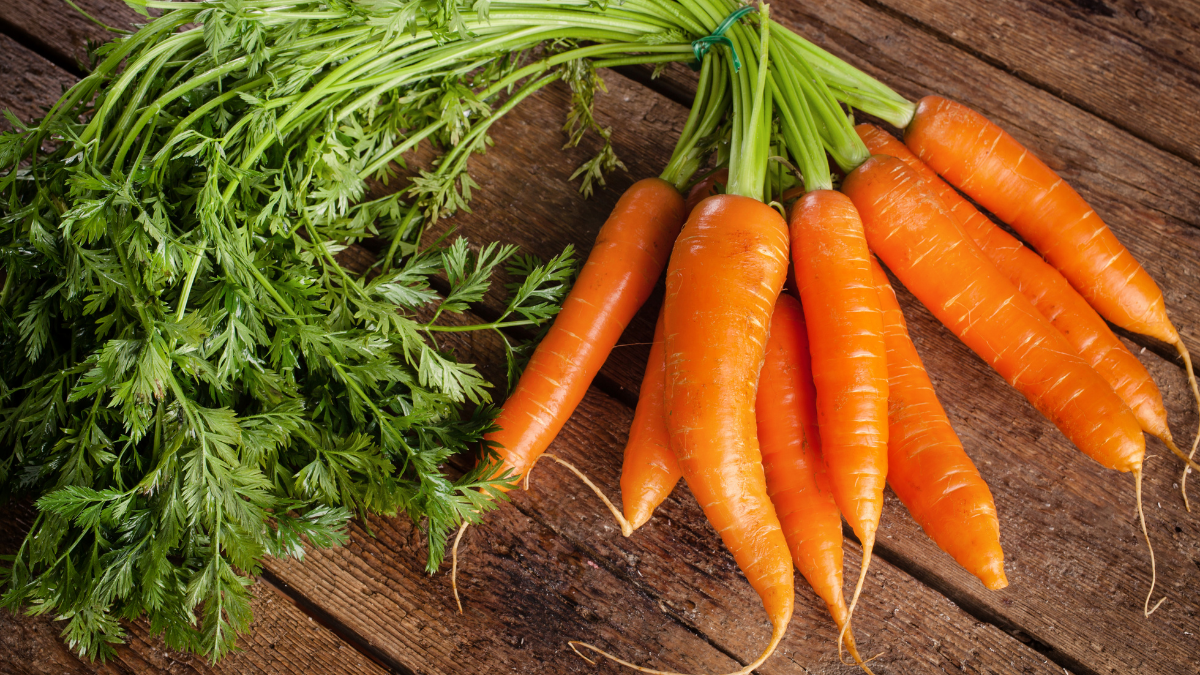
Think you know everything about this orange root? You probably grew up hearing that eating them would give you night vision. But the true, scientifically proven benefits of carrot go far beyond what your parents told you at the dinner table.
We tend to view them as just a crunchy vehicle for hummus or a colorful addition to a salad. Yet, clinical data paints a much more impressive picture of what happens inside your body when you eat them regularly. If you are struggling with poor digestion, dull skin, or a sluggish immune system, you might be overlooking one of the most accessible health upgrades available in your local grocery store.
Instead of chasing expensive supplements or complicated diet trends, a simple shift in your daily habits can yield measurable results. Before you dismiss them as just another basic vegetable, let’s look at exactly how their unique nutritional profile actively works to repair, protect, and optimize your body on a cellular level.
Quick Benefits Snapshot
73% of your daily Vitamin A requirement — in just half a cup.
2 grams of fiber per serving — perfect for feeding gut bacteria.
11% of your daily Vitamin K — essential for bone health.
41 calories per cup — making it a high-volume, low-calorie staple.
400% of your daily beta-carotene needs — actively fighting cellular damage.
What Is a Carrot?
A root vegetable originating in Persia, the carrot was actually purple and yellow before the familiar orange variety was cultivated by the Dutch in the 17th century. Today, it is one of the most widely consumed vegetables globally, loved for its satisfying crunch and natural, earthy sweetness.
When you bite into one, you are consuming a dense matrix of water, fiber, and potent phytochemicals. The crisp texture makes them perfect for raw snacking, while their complex sugars caramelize beautifully when roasted.
But taste and texture are just the beginning. The true benefits of carrot reveal themselves when you look at the clinical data. Here is exactly what happens inside your body when you make this vibrant root a regular part of your daily routine.
1. Protects Your Vision
Just one medium carrot provides over 100% of your daily beta-carotene needs, directly supporting optimal eye function.
Your body takes this beta-carotene and converts it into Vitamin A, a critical nutrient for maintaining the surface of the eye. Without it, you run the risk of developing night blindness or dry eyes.
When you consistently consume carrot vitamins, specifically Vitamin A and lutein, you are actively building a defense against age-related macular degeneration. Your eyes feel less strained after long hours at a screen, and your ability to adjust to low light improves noticeably.
But the benefits do not stop at your peepers…
2. Speeds Up Digestion
One cup delivers roughly 3 grams of dietary fiber, enough to significantly improve your daily regularity.
Your gut needs bulk to move waste efficiently, and this root provides both soluble and insoluble fiber to do exactly that. The specific carrot fiber profile acts as a prebiotic, fermenting in your lower intestine and feeding beneficial gut bacteria.
Using carrot for digestion ensures you experience less bloating and more predictable bowel movements. Your stomach feels settled, and you avoid the uncomfortable sluggishness that follows heavy, low-fiber meals.
A happy gut often leads to a happy heart…
3. Protects Your Heart
Consuming this root regularly can reduce cholesterol absorption by up to 11% thanks to its high soluble fiber content.
Potassium, fiber, and potent antioxidants work together to relax blood vessels and lower blood pressure. The specific carrot antioxidants actively prevent the oxidation of LDL (bad) cholesterol, which is a primary driver of plaque buildup in your arteries.
Your cardiovascular system operates with less strain, meaning better circulation and a lower risk of long-term heart issues. You might notice more sustained energy during cardiovascular workouts.
Beyond internal health, this vegetable also offers a visible glow…
4. Clears Skin Naturally
Daily consumption can increase skin defense against UV damage by up to 20%.
The massive dose of beta-carotene acts as an internal sunblock, helping to repair skin tissue and protect against harsh environmental factors. When you rely on carrot for skin health, the Vitamin C content also steps in to stimulate collagen production.
Your complexion looks brighter, and minor blemishes heal faster without leaving lingering dark spots. You literally wear your nutrition on your face, achieving a natural, healthy hue that no topical cream can replicate.
And speaking of protection, your immune system will thank you…
5. Boosts Your Immunity
A single serving supplies a measurable dose of Vitamin C to enhance white blood cell production.
When cold season hits, your body needs antioxidants to fight off pathogens, and this vegetable delivers a steady supply. Using carrot for immunity means you are equipping your immune cells to identify and neutralize threats faster.
You spend fewer days feeling run down, and when you do catch a bug, your recovery time is often shorter. Your natural defenses remain elevated without needing to rely on artificial vitamin packets.
These vibrant roots are also masters of internal housekeeping…
6. Cleanses Your Liver
The phytonutrients in this vegetable increase bile production, accelerating the removal of toxins from your bloodstream.
Your liver acts as your body’s primary filtration system, and it requires specific compounds to process environmental toxins and metabolic waste. The unique carrot vitamins and minerals bind to heavy metals and flush them out of your system safely.
You experience clearer thinking and less morning grogginess when your liver is functioning optimally. It is a daily, gentle detox that your body genuinely appreciates.
For those looking to manage their weight, this is a secret weapon…
7. Aids Weight Loss
At just 41 calories per cup, you can eat a massive volume without disrupting your daily energy balance.
Because they are roughly 88% water, they stretch your stomach receptors, sending immediate fullness signals to your brain. Relying on carrot for weight loss works because the dense fiber slows down digestion, keeping hunger pangs at bay for hours.
You naturally snack less on processed foods when you are genuinely satiated from high-volume, nutrient-dense produce. It makes adhering to a caloric deficit feel effortless rather than restrictive.
But wait, there’s more to these crunchy wonders…
8. Balances Blood Sugar
Despite their sweet taste, they have a low glycemic index of just 39 when eaten raw.
The high water and fiber content ensures that the natural sugars are released slowly and steadily into your bloodstream. This prevents the rapid insulin spikes and subsequent crashes that leave you craving more sugar.
Your energy levels remain stable throughout the afternoon, and you avoid that notorious 3 PM slump. It is a smart carbohydrate choice that supports long-term metabolic stability.
And let’s not forget the incredible array of protective compounds they hold…
9. Fights Cellular Damage
Specific polyacetylenes found in this root have been shown in lab studies to inhibit the growth of abnormal cells.
Compounds like falcarinol are actively fighting oxidative stress and inflammation deep within your tissues. These specific carrot antioxidants hunt down free radicals before they can damage your cellular DNA.
While no single food is a cure-all, consistently flooding your body with these phytonutrients builds a robust defense against chronic, age-related diseases. Your body simply functions better when it is not constantly fighting systemic inflammation.
Now that you know what it does — let’s look at exactly what’s inside it that makes all this possible.
Nutrition Facts
| Nutrient | Amount Per 1 Cup (Chopped, Raw) | % Daily Value |
| Calories | 52 | – |
| Protein | 1.2 g | 2% |
| Fat | 0.3 g | 0% |
| Carbohydrates | 12.3 g | 4% |
| Fiber | 3.6 g | 14% |
| Sugar | 6.1 g | – |
| Vitamin A (Beta-carotene) | 1069 mcg | 119% |
| Vitamin K | 16.9 mcg | 21% |
| Potassium | 410 mg | 9% |
| Vitamin C | 7.6 mg | 8% |
That carrot fiber content? It feeds your gut microbiome, slows sugar absorption, and keeps you fuller longer. The impressively low carrot calories mean you can consume them in bulk without worrying about your waistline. Even the trace amount of carrot protein helps provide a well-rounded nutritional profile when combined with other whole foods.
The true magic lies in the specific carrot antioxidants, including falcarinol and lutein, which actively reduce oxidative stress markers. This nutrient density is the main reason why the benefits of carrot are so widely studied by nutritional scientists.
And some of its most interesting effects aren’t even in that table. Here’s what most people never find out.
Surprising Lesser-Known Benefits
🔬 Improves Dental Health
Chewing raw roots increases saliva production by up to 30%.
The crisp texture acts as a natural toothbrush, scraping away plaque while the alkaline saliva balances mouth acid. Your teeth feel cleaner, and your risk of developing cavities drops significantly.
🔬 Speeds Up Wound Healing
High concentrations of Vitamin C and beta-carotene reduce tissue repair time.
The specific carrot vitamins stimulate cell turnover and collagen synthesis at the site of an injury. You heal faster from minor scrapes and cuts, with a stronger skin barrier.
🔬 Protects Against Sunburn
Consistent consumption provides an internal SPF of roughly 4.
The dense carrot antioxidants accumulate in your skin layers, actively absorbing and neutralizing UV radiation. You gain an extra layer of defense against photoaging and sun damage.
Knowing how powerful it is, the next step is actually getting it onto your plate.
How To Eat Carrots
- Roast them whole: Toss with olive oil, cumin, and a pinch of sea salt, then roast at 400°F until caramelized. The heat actually makes the beta-carotene more bioavailable.
- Shred into oatmeal: Add finely grated pieces to your morning oats with cinnamon and walnuts for a nutrient-dense “carrot cake” breakfast.
- Blend into sauces: Steam and blend them into tomato-based pasta sauces to add natural sweetness without refined sugar.
- Pickle them: Slice them thin and soak them in apple cider vinegar, water, and dill for a crunchy, gut-friendly topping for tacos and bowls.
To truly maximize the benefits of carrot, always pair them with a healthy fat like olive oil or avocado, which increases the absorption of their fat-soluble vitamins by up to 1000%.
Before you start eating it every single day, there are a few things worth knowing first.
Who Should Be Careful
While incredibly safe for almost everyone, consuming massive quantities can lead to carotenemia — a harmless but noticeable orange-yellow tint to the skin. If you have a known allergy to pollen (specifically birch pollen), you might experience oral allergy syndrome when eating them raw. Stick to moderate daily portions, and your body will reap the rewards without any issues.
FAQ
Is carrot good for you every day?
Yes, consuming them daily is an excellent way to maintain steady levels of fat-soluble vitamins and dietary fiber. The consistency allows the active compounds to build up in your system, providing ongoing protection for your eyes, skin, and immune system. Just ensure you are eating a varied diet alongside them.
How much carrot should I eat per day?
One to two medium-sized roots per day is the sweet spot for maximizing the benefits of carrot without overdoing it. This amount provides more than enough Vitamin A to support your daily needs and contributes a solid chunk of your fiber goal. Pair them with a healthy fat to ensure you absorb all the available nutrients.
Does carrot help with weight loss?
Absolutely, relying on carrot for weight loss is a highly effective strategy used by top nutritionists. Because they are low in calories but high in water and fiber, they physically stretch your stomach and shut down hunger hormones quickly. Snack on them before a main meal to naturally reduce your overall caloric intake.
What are the side effects of eating too much carrot?
The most common side effect is carotenemia, where the excess beta-carotene deposits in your skin, turning your palms and soles slightly yellow or orange. While it looks alarming, it is completely harmless and reverses once you lower your intake. Stick to reasonable portions to avoid this cosmetic quirk.
Is carrot better eaten raw or cooked?
It depends on your goal; cooking actually breaks down the tough cellular walls, making the beta-carotene much easier for your body to absorb. However, eating them raw preserves more of the water-soluble Vitamin C. For the best of both worlds, mix up how you consume them throughout the week.
Final Thoughts
The nutritional science is clear: the humble orange root is far more than just a crunchy side dish. From actively protecting your vision to optimizing your digestion and clearing up your complexion, the benefits of carrot offer a massive return on investment for your health.
You do not need a complicated diet plan or expensive superfood powders to start feeling better. By simply incorporating a cup of this vibrant vegetable into your daily routine, you give your body the exact tools it needs to repair and thrive.
The next time you are at the grocery store, grab an extra bunch. Sometimes the smartest health upgrade fits right in the palm of your hand.