
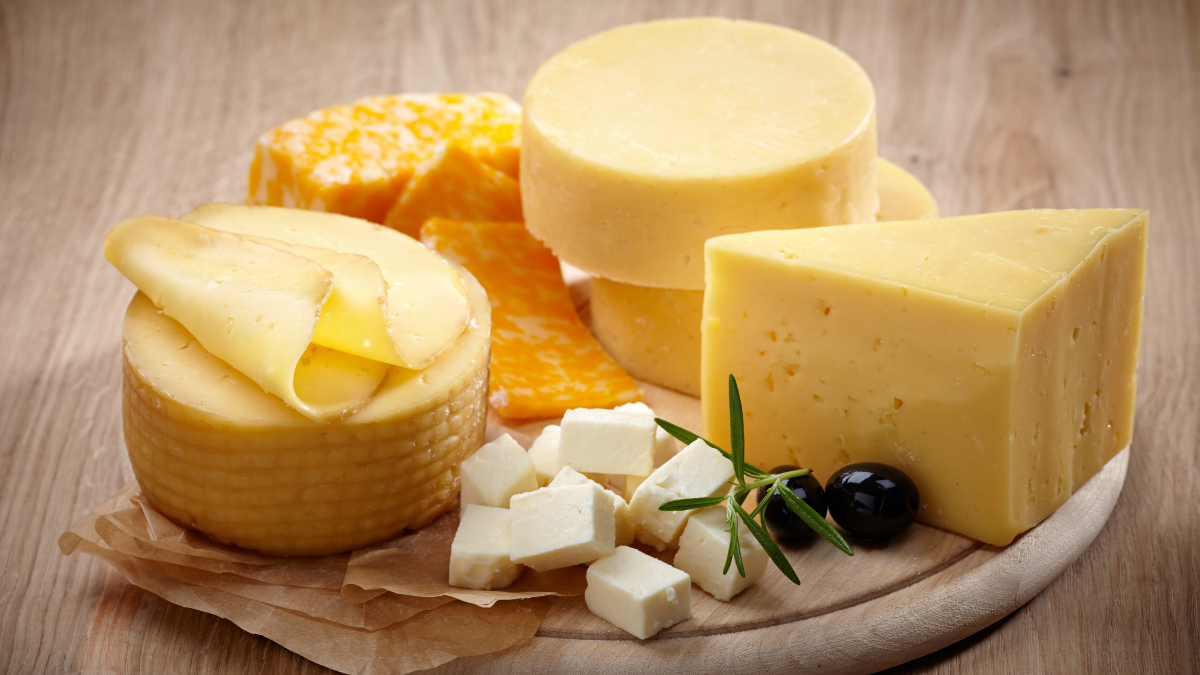
Cheese is not the dietary villain you think it is. For years, we have been told to avoid it, limit it, or feel guilty for enjoying it. As a certified nutritionist with over a decade of experience, I am here to tell you that cutting it out completely might actually be doing your body a disservice.
There is a hidden, metabolic power inside high-quality dairy that goes far beyond its rich taste. When you look at the clinical data, the true benefits of cheese become impossible to ignore. From supporting your skeletal system to completely transforming the bacterial balance in your stomach, this food offers targeted nutrition that your body craves.
We are going to look closely at what happens inside your system when you eat it.
Quick Benefits Snapshot
- 20% of your daily Calcium — in just one ounce of cheddar.
- 7 grams of high-quality protein — per serving to repair muscle tissue.
- Millions of live probiotic cultures — in aged varieties to feed your microbiome.
- 0 spikes in blood sugar — due to its incredibly low glycemic index.
- 1 powerful mood-boosting amino acid — tyrosine, which helps produce dopamine.
What Is Cheese?
At its core, cheese is simply milk that has been cultured, curdled, and aged. The texture can range from the soft, spreadable richness of a fresh ricotta to the hard, crystalline crumble of a properly aged Parmigiano-Reggiano. Historically, it was a genius way to preserve the vital nutrients of milk before refrigeration existed.
Today, we mostly use it as a flavor enhancer. We melt it over dishes, slice it for snacks, and pair it with fruit. But taste is just the beginning. The nutritional profile of this ancient food is surprisingly complex. Here is exactly what happens inside your body when you make the benefits of cheese a regular part of your daily habit.
1. Bone Health Powerhouse
One ounce of Swiss delivers 270mg of calcium, directly reinforcing your skeletal structure.
This matters because your body constantly depletes and rebuilds bone tissue. Without enough raw materials, your bones slowly weaken. The calcium, phosphorus, and vitamin K2 found in quality dairy work synergistically to deposit minerals directly into your bone matrix.
You do not need to rely solely on supplements. Cheese protein provides the structural scaffolding your bones need, while the minerals fill in the gaps. Your joints feel stronger, and your risk of age-related bone density loss drops significantly.
This leads right into how it impacts your digestive tract.
2. Gut-Friendly Fermentation
Aged varieties contain millions of live probiotic strains that actively balance your microbiome.
Fermented options like gouda, cheddar, and Swiss undergo a process that fosters beneficial bacteria. These probiotics survive the harsh acidic environment of your stomach and travel to your intestines, where they help break down food and crowd out harmful pathogens.
While you won’t find cheese fiber naturally occurring in the dairy itself, pairing it with high-fiber foods creates a perfect prebiotic and probiotic environment. Cheese for digestion is incredibly effective when you choose the raw, aged varieties. You will notice less bloating and far smoother digestion.
Let’s look at how this dense nutrition translates to physical strength.
3. Muscle Building & Repair
A single half-cup of cottage cheese packs 14 grams of complete, slow-digesting casein protein.
Your muscles need all nine essential amino acids to repair tissue after physical exertion. Casein is a slow-release protein, meaning it drips a steady supply of amino acids into your bloodstream over several hours. This prevents muscle breakdown and accelerates recovery.
Cheese protein is highly bioavailable, meaning your body absorbs and utilizes almost all of it. Eating a small portion after a workout reduces muscle soreness and helps you build lean tissue faster.
This physical repair mechanism also extends to your cognitive function.
4. Brain Fuel & Mood Booster
High levels of tyrosine naturally increase dopamine production, directly enhancing your focus and mood.
Your brain requires specific amino acids and healthy fats to function optimally. The B-complex cheese vitamins, specifically B12, are critical for maintaining the myelin sheath that protects your nerve cells. Without it, you experience brain fog and fatigue.
When you consume these nutrients, your brain has the chemical building blocks required to synthesize neurotransmitters. You feel sharper, your mood stabilizes, and your ability to concentrate on complex tasks improves noticeably.
Interestingly, this same nutritional density protects your mouth.
5. Dental Health Defender
Eating a small piece of cheddar raises your mouth’s pH level within minutes, neutralizing cavity-causing acids.
Every time you eat carbohydrates or sugars, the bacteria in your mouth produce acids that erode your tooth enamel. The calcium and phosphate in dairy actively remineralize your teeth, filling in microscopic damage before it becomes a cavity.
Chewing also stimulates saliva production, which washes away food particles. Dentists frequently recommend finishing a meal with a small piece of cheese to protect your enamel and maintain a bright, healthy smile.
This protective effect naturally transitions into how it helps manage your appetite.
6. Satiety & Weight Management
The combination of protein and healthy fats reduces hunger hormones, keeping you full for up to four hours.
Many people avoid dairy when trying to lean out, fearing the calorie density. However, cheese for weight loss is a highly effective strategy when portioned correctly. Because it contains virtually no carbohydrates, it does not trigger the insulin spikes that lead to fat storage and energy crashes.
Understanding cheese calories is about recognizing their satiating power. A 100-calorie portion of dairy will suppress your appetite far better than 100 calories of crackers. You naturally eat less throughout the day because your hunger signals are legitimately satisfied.
This metabolic stability also supports your cardiovascular system.
7. Blood Pressure Regulation
Specific bioactive peptides formed during the aging process naturally help relax your blood vessels.
While some varieties are high in sodium, many types provide a dense source of potassium, magnesium, and calcium. These three minerals are essential for regulating the electrical impulses that control your heart rhythm and vascular tension.
By choosing lower-sodium options like Swiss or fresh mozzarella, you supply your cardiovascular system with the exact minerals needed to lower arterial pressure. You experience better circulation and a reduced risk of hypertension-related fatigue.
Finally, we look at its protective capabilities on a cellular level.
8. Antioxidant Protection
Certain aged cheeses contain glutathione, a master antioxidant that neutralizes cellular damage.
Oxidative stress accelerates aging and drives systemic inflammation. Cheese antioxidants, particularly those found in milk from grass-fed cows, actively reduce oxidative stress markers. They help your liver process toxins and protect your cellular DNA from degradation.
Cheese vitamins like Vitamin E and Vitamin A work alongside these compounds to keep your cells resilient. You experience fewer inflammatory flare-ups, and your body can recover from environmental stressors much faster.
Now that you know what it does, let’s look at exactly what is inside it that makes all this possible.
Nutrition Facts
To understand cheese nutrition, we have to look at the exact numbers. Here is the nutritional breakdown for one ounce (28g) of sharp cheddar:
| Nutrient | Amount | % Daily Value |
| Calories | 114 | – |
| Carbs | 0.4g | 0% |
| Fiber | 0g | 0% |
| Protein | 7g | 14% |
| Fat | 9g | 12% |
| Vitamin C | 0mg | 0% |
| Vitamin K | 0.7mcg | 1% |
| Calcium | 200mg | 20% |
| Potassium | 27mg | 1% |
That cheese protein content? It provides the essential amino acids your body needs to rebuild muscle tissue and synthesize hormones. The healthy fats provide sustained energy, keeping your blood sugar completely stable.
Cheese antioxidants include conjugated linoleic acid (CLA) — a specific fatty acid shown to reduce oxidative stress markers and support metabolic health. While you will not find cheese fiber directly in the nutritional profile, the overall matrix of fats, proteins, and micronutrients makes it an incredibly dense source of fuel.
The true benefits of cheese lie in this dense concentration of bioavailable minerals and fats.
Surprising Lesser-Known Benefits
🔬 Promotes Deeper Sleep
- Eating a small piece of dairy before bed provides tryptophan, helping you sleep up to 15% more soundly.
- Tryptophan is an amino acid that your body converts into serotonin and melatonin, the hormones that regulate your sleep cycle.
- You wake up feeling significantly more rested and mentally sharp.
🔬 Supports Immune Function
- Grass-fed varieties contain critical immune-modulating compounds that strengthen your body’s defenses.
- Cheese for immunity works because cheese vitamins like Vitamin A and Zinc directly support the production of white blood cells.
- You find yourself fighting off seasonal bugs faster and experiencing milder symptoms when you do get sick.
🔬 Maintains Skin Elasticity
- The high levels of bioavailable Vitamin A promote cellular turnover, keeping your skin firm and clear.
- Cheese for skin health relies on these fat-soluble vitamins to rebuild tissue and regulate sebum production.
- Your complexion looks brighter, and dry patches often resolve themselves naturally.
Knowing how powerful it is, the next step is actually getting it onto your plate.
How To Eat Cheese
- Pair it with high-fiber fruit. Apples, pears, and berries provide the fiber that dairy lacks, creating a perfectly balanced snack.
- Use it as a meal finisher. Taking a bite of aged cheddar at the end of a meal helps neutralize mouth acids and protect your teeth.
- Melt it into your morning eggs. This drastically increases the protein content of your breakfast, keeping you full until the afternoon.
- Snack on hard, aged varieties. Parmigiano-Reggiano and aged Gouda have the highest concentration of probiotics and protein, and virtually zero lactose.
Before you start eating it every single day, there are a few things worth knowing first.
Who Should Be Careful
While the benefits of cheese are vast, those with a genuine dairy allergy or severe lactose intolerance should exercise caution. If you are sensitive to tyramine (found in aged varieties), it can occasionally trigger migraines. Opt for fresh options if this applies to you.
For the vast majority of people, moderate consumption of high-quality dairy is incredibly safe and highly beneficial.
Frequently Asked Questions
Is cheese good for you every day?
Yes, eating a moderate amount of high-quality dairy daily provides a consistent intake of calcium, protein, and essential fatty acids. The key is choosing real, unprocessed varieties rather than artificial slices. When you incorporate it into a balanced diet, the benefits of cheese accumulate, leading to stronger bones and more stable energy levels throughout your week.
How much cheese should I eat per day?
Nutritionists generally recommend sticking to one to two ounces per day. This provides a massive nutritional boost without overloading your daily calorie budget. Use a food scale at first to understand what one ounce actually looks like. Keeping your portions controlled allows you to enjoy it daily without any negative metabolic consequences.
Does cheese help with weight loss?
It absolutely can. Cheese for weight loss works because the high protein and fat content suppress your appetite and keep your blood sugar completely flat. When you are not fighting insulin spikes and constant cravings, adhering to a calorie deficit becomes much easier. Swap out carbohydrate-heavy snacks for an ounce of cheddar to see immediate improvements in your satiety.
What are the side effects of eating too much cheese?
Consuming massive quantities can lead to digestive discomfort, constipation, and an excessive intake of sodium and calories. Because cheese calories are dense, mindless snacking can quickly push you out of a caloric balance. Stick to the recommended one to two ounces, and you will experience the health advantages without the sluggishness of overeating.
Is cheese better eaten raw or cooked?
Both offer unique advantages. Heating it can slightly alter the probiotic content in aged varieties, but the calcium, protein, and fat profiles remain fully intact. Eating it raw preserves the live cultures that benefit your gut microbiome. For the best of both worlds, use melted options in your cooking, and save the raw, aged varieties for your snacking.
The Bottom Line
You do not need to fear the dairy aisle. When you look past the outdated dietary advice, the clinical evidence paints a very clear picture. The benefits of cheese range from rebuilding your skeletal system to protecting your cellular health with powerful antioxidants.
By prioritizing high-quality, aged, and grass-fed options, you are feeding your body a dense matrix of bioavailable nutrients that are difficult to find anywhere else. Remember to keep your portions reasonable, pair it with fibrous whole foods, and enjoy the rich flavors without a trace of guilt.
You don’t need a complicated diet plan — sometimes the smartest health upgrade fits right in the palm of your hand.