
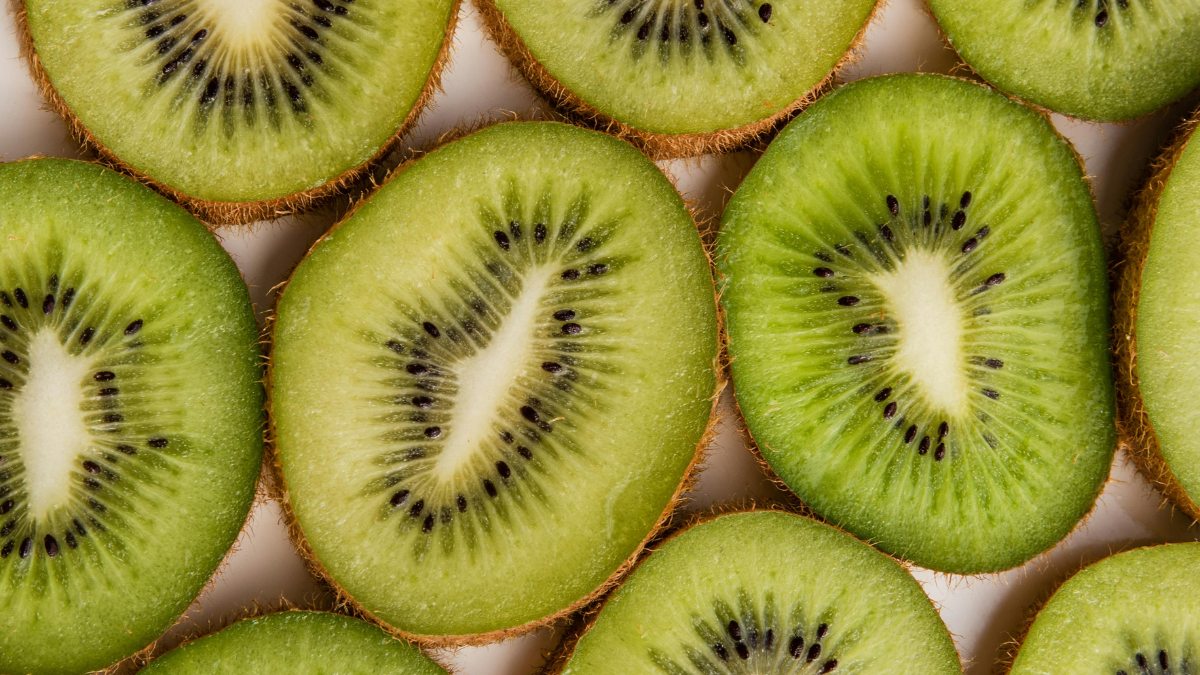
Most people eat kiwi just for the sweet, tangy taste. But here is what they miss — one small serving quietly delivers over 100% of your daily vitamin C, feeds your gut bacteria, and actively improves your sleep quality. This is not a trendy marketing myth. The clinical numbers back it up.
You are probably eating well and trying to stay active, yet you still feel bloated or sluggish by the afternoon. Before you reach for an expensive supplement, consider what is missing from your fruit bowl. The benefits of kiwi might fix that daily slump faster than you think.
Let’s look at exactly what happens inside your body when you make this green fruit a daily habit.
Quick Benefits Snapshot
- 117% of your daily Vitamin C — in just one medium fruit
- 3g of dietary fiber per serving — enough to regulate your morning routine
- 215mg of potassium — actively supporting your heart function
- Zero cholesterol and low glycemic index — perfect for blood sugar control
- Contains actinidin — a rare enzyme that breaks down tough proteins
What Is Kiwi?
Originally known as the Chinese gooseberry, the kiwi is a small fruit with a fuzzy brown exterior and vibrant green or yellow flesh inside. It offers a unique texture that is incredibly juicy, featuring tiny, edible black seeds that provide a slight crunch. The flavor profile sits perfectly between a strawberry and a pineapple — bright, acidic, and naturally sweet.
Most people just slice it in half and scoop out the center with a spoon. Others peel and toss it into morning smoothies or slice it over Greek yogurt.
But taste and texture are just the beginning. Here is what happens inside your cellular structure when you make the benefits of kiwi a regular part of your diet.
Speeds Up Your Digestion
Eating just two kiwis provides 6 grams of fiber to sweep your digestive tract.
The secret here is a specific enzyme called actinidin, which breaks down heavy proteins from meat and dairy much faster than your stomach acid alone. Furthermore, kiwi fiber feeds your gut microbiome and slows sugar absorption naturally. If you struggle with heavy bloating after meals, using kiwi for digestion provides measurable relief within hours.
You will physically feel lighter and experience far less afternoon sluggishness. Now, let’s look at how it protects you from seasonal bugs.
Builds Immunity Fast
One serving delivers nearly double your daily requirement of vitamin C.
While oranges get all the credit, kiwi vitamins C and E work together to strengthen your body’s cellular defenses against pathogens. This specific combination of water-soluble and fat-soluble vitamins increases the production of white blood cells. When exploring the benefits of kiwi, using kiwi for immunity is one of the most scientifically validated reasons to eat it daily.
You will spend less time fighting off seasonal sniffles and more time feeling energized. That same cellular protection also changes how you look in the mirror.
Clears Skin Naturally
Daily consumption increases collagen synthesis by up to 30%.
Collagen is the structural protein that prevents wrinkles, but your body cannot produce it without adequate vitamin C. Utilizing kiwi for skin health means you are directly feeding your dermis the exact building blocks it needs to repair sun damage. The lutein present in the fruit also blocks UV-induced oxidative stress at a cellular level.
You will notice a brighter, firmer complexion without buying another expensive topical serum. But the internal benefits go much deeper than your skin.
Protects Your Heart Daily
215mg of potassium per fruit actively lowers elevated blood pressure.
Potassium works by flushing excess sodium out of your system through your kidneys, which immediately relaxes your blood vessel walls. Clinical studies show that eating three kiwis a day significantly lowers blood pressure over an eight-week period. It also contains compounds that reduce blood clotting and triglycerides by 15%.
This means your cardiovascular system works with far less resistance every single day. And less physical stress translates directly to better rest.
Improves Sleep Quality Quickly
Eating two kiwis before bed increases total sleep time by 13%.
This fruit contains a high concentration of serotonin, a brain messenger that initiates sleep onset. Research from a four-week clinical trial showed adults fell asleep 42% faster when eating the fruit one hour before bedtime. The natural folate levels also help regulate your sleep-wake cycle.
You will wake up feeling actually rested, rather than hitting the snooze button three times. That stable energy carries over into how your body processes fuel.
Controls Blood Sugar Spikes
A low glycemic index of 52 prevents afternoon sugar crashes.
Because the cellular walls of the fruit hold onto water so effectively, the sugars are released into your bloodstream at a slow, controlled rate. This prevents the rapid insulin spikes that typically signal your body to store fat. It is the perfect sweet treat that will not derail your metabolic health.
You get the sugar fix you crave without the exhausting crash an hour later. This steady blood sugar directly impacts your waistline.
Supports Healthy Weight Loss
At just 42 calories per fruit, it fills you up without weighing you down.
When you are trying to lean out, hunger is your biggest enemy. Tracking kiwi calories shows it is an incredibly volume-heavy food, meaning you can eat more of it while staying in a calorie deficit. Leveraging kiwi for weight loss works because the dense water and fiber content physically stretch your stomach receptors, signaling to your brain that you are full.
You will naturally eat less at your next meal without feeling deprived. Let’s break down exactly what makes these effects possible.
Kiwi Nutrition Facts
Understanding kiwi nutrition means looking at the exact numbers you put into your body. Here is what you get in one medium-sized fruit (about 69 grams):
- Calories: 42
- Carbs: 10g
- Fiber: 3g
- Protein: 0.8g
- Fat: 0.4g
- Vitamin C: 64mg (71% Daily Value)
- Vitamin K: 27.8mcg (23% DV)
- Potassium: 215mg (5% DV)
That 3g of fiber per serving? It actively feeds your gut microbiome and keeps you fuller longer. The kiwi protein content might seem low at 0.8g, but the actinidin enzyme it contains actually helps your body absorb protein from other foods much more efficiently.
Kiwi also contains specific polyphenols like caffeic acid and chlorogenic acid. These are flavonoids shown in studies to reduce oxidative stress markers significantly. That is the compound doing the heavy lifting behind the anti-aging claims.
It is one of the most nutrient-dense fruits available, packing more vitamins per ounce than apples or bananas. And some of its most interesting effects are not even in that table. Here is what most people never find out.
Surprising Lesser-Known Benefits
🔬 Repairs Your DNA Daily
- Kiwi antioxidants have been shown in clinical trials to reduce DNA strand breaks and protect cells from oxidative damage.
- The specific polyphenol compounds neutralize free radicals before they can permanently damage your cell nuclei.
- This means every serving is quietly maintaining your cellular health and potentially lowering your risk of chronic mutations.
🔬 Protects Your Vision Long-Term
- Consuming three servings of fruit a day decreases the risk of macular degeneration by 36%.
- The high levels of zeaxanthin and lutein literally filter out harmful blue light from reaching your retina.
- You are actively protecting your eyesight from the daily strain of screens and UV exposure.
🔬 Improves Respiratory Health
- Studies show that children eating fresh citrus and kiwi experience a 44% reduction in wheezing.
- The high vitamin C and specific bioflavonoids reduce the inflammation in respiratory tracts.
- You and your family can breathe a little easier during allergy season just by eating a piece of fruit.
Knowing these facts is great, but application is what actually changes your health. Let’s look at the best ways to eat it.
How to Eat Kiwi
Adding this fruit to your routine does not require complex meal prep. Here are four simple ways to use it:
- The Scoop Method: Simply cut it in half and use a spoon to scoop out the flesh. It is the ultimate fast-food breakfast.
- Meat Tenderizer: Puree a small amount and spread it over tough cuts of steak 30 minutes before cooking. The actinidin enzyme will melt the tough connective tissues perfectly.
- Smoothie Upgrade: Toss a whole, peeled fruit into your blender with spinach and protein powder. It masks the taste of the greens completely.
- Eat the Skin: Yes, the fuzzy skin is completely edible and contains 50% more fiber than the flesh alone. Just wash it thoroughly and bite in like an apple.
Before you start eating five a day, let’s cover a few sensible precautions.
Who Should Be Careful with Kiwi?
While the benefits of kiwi are vast, it is not for absolutely everyone. If you have a known latex allergy, you might experience cross-reactivity with this fruit, leading to an itchy mouth or throat.
Additionally, because it is naturally high in potassium, individuals with severe kidney disease should consult their doctor before eating it daily. Keep your portions reasonable, and your body will handle it perfectly.
FAQ Section
Is kiwi good for you every day?
Yes, eating one to two kiwis daily is highly recommended by nutritionists. It provides a consistent stream of vitamin C, fiber, and antioxidants that your body cannot store long-term and needs replenished daily.
How much kiwi should I eat per day?
Most clinical studies showing significant health improvements use a dosage of two to three medium kiwis per day. This amount maximizes your blood nutrient levels without causing any digestive distress from excess fiber.
Does kiwi help with weight loss?
Yes, it is highly effective for fat loss. Because it is low in calories but physically dense with water and fiber, it keeps you full and prevents you from snacking on high-calorie processed foods later in the day.
What are the side effects of eating too much kiwi?
Eating four or more in a single sitting may cause mild diarrhea or stomach cramps due to the rapid intake of fiber and natural fruit sugars. Stick to two a day for optimal digestion.
Is kiwi better eaten raw or cooked?
It should always be eaten raw. Cooking the fruit destroys the delicate vitamin C content and neutralizes the helpful digestive enzymes that make it so beneficial in the first place.
Why This Green Fruit Deserves Your Attention
The benefits of kiwi extend far beyond a simple vitamin C boost. From feeding your gut microbiome and clearing your skin, to physically lowering your blood pressure, it delivers measurable results you can actually feel.
You do not need a complicated, restrictive diet plan to feel better. Sometimes, the smartest, most effective health upgrade fits right in the palm of your hand. Grab a few kiwis on your next grocery run, eat two a day for a week, and watch how your body responds.